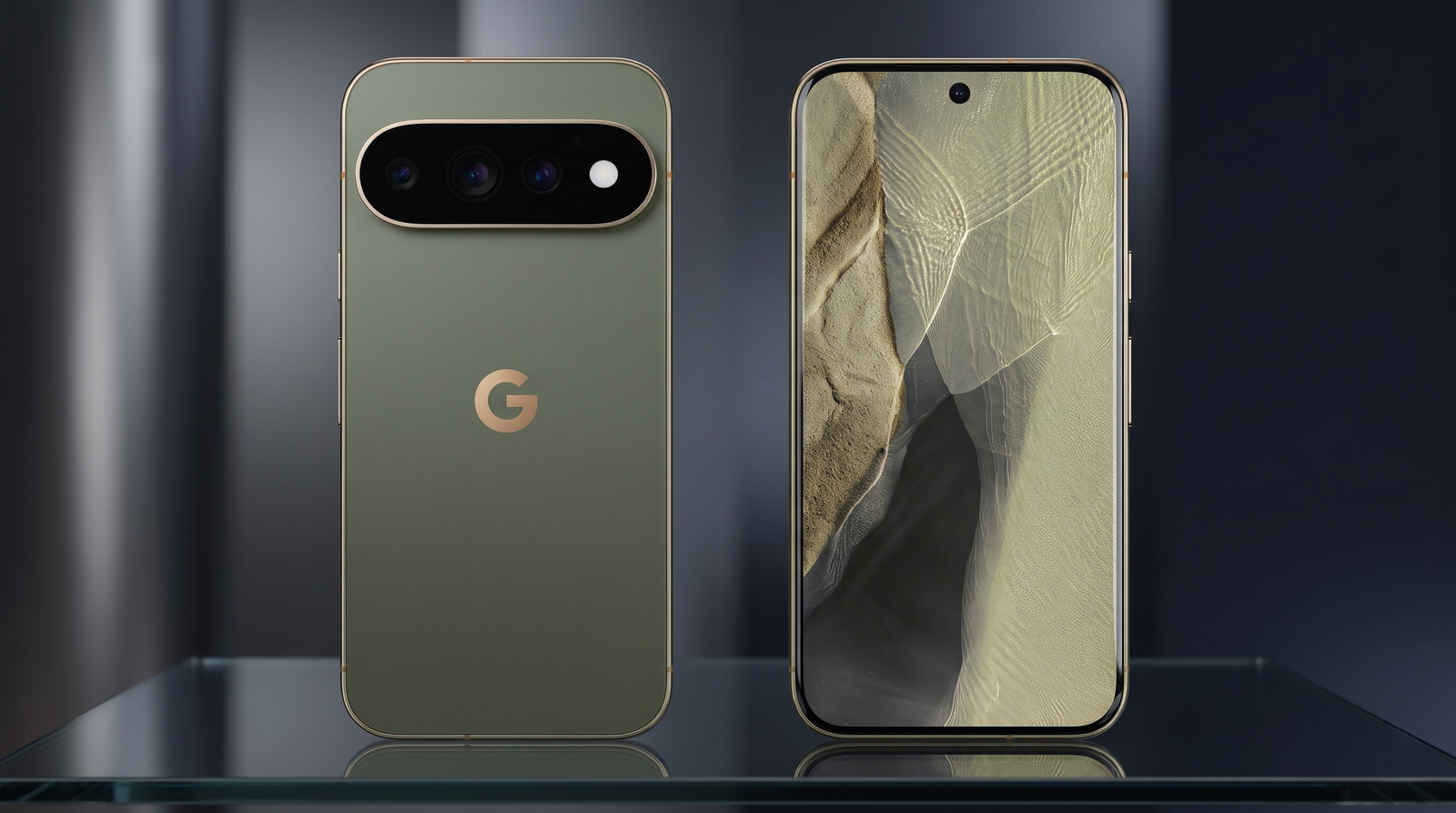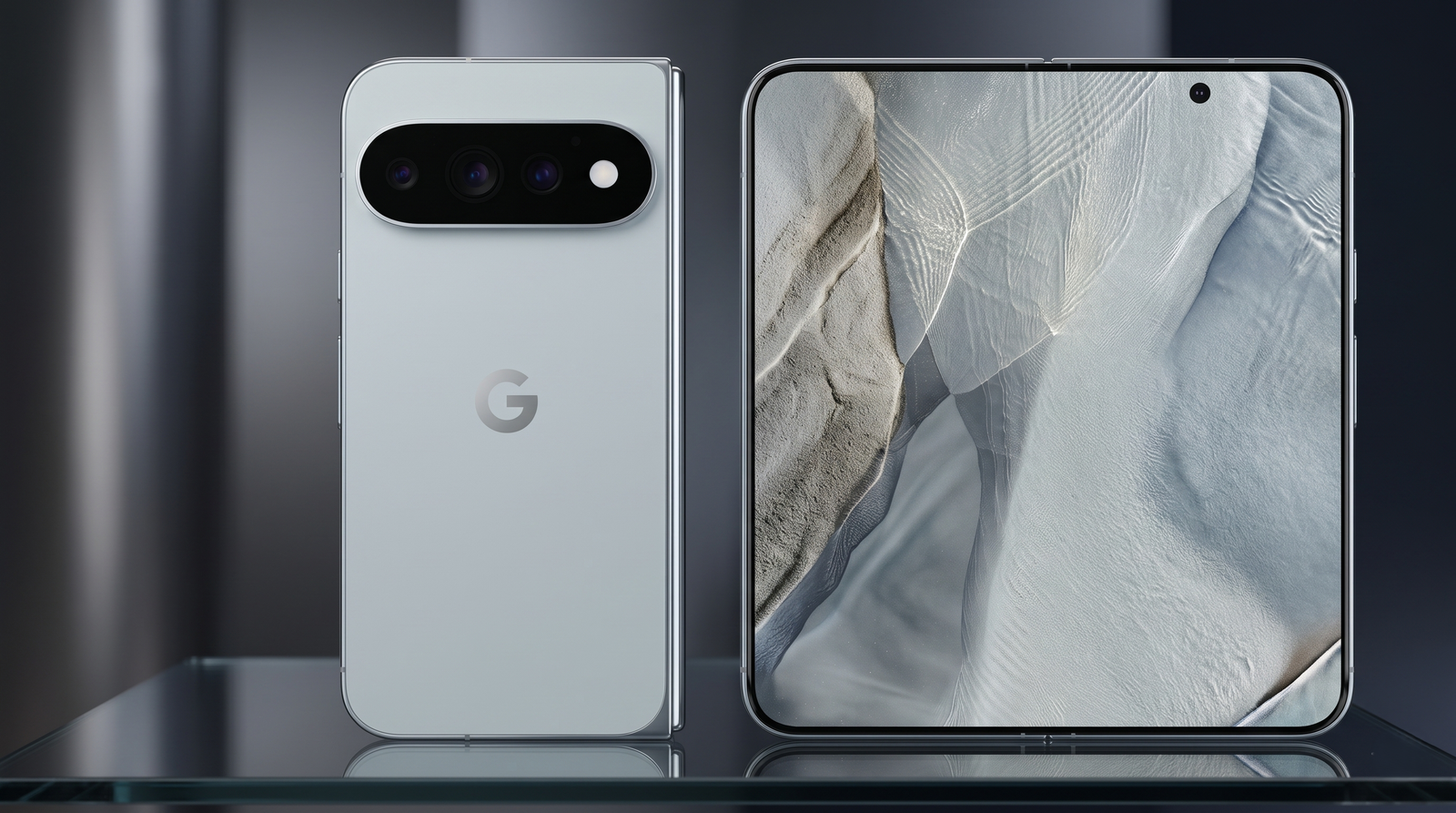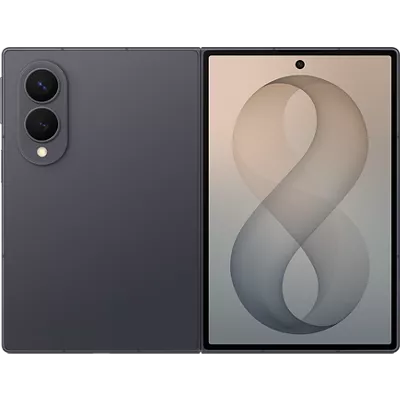
Samsung & Apple Working on Bigger Wide Foldables: What This Means for iPhone Duo and Galaxy Z Fold 9
The premium smartphone market in late 2026 has officially transformed into a foldable battlefield. For years, Samsung enjoyed a relatively uncontested monopoly in the United States with its Galaxy Z Fold series. However, that era abruptly ended this past October when Apple finally entered the arena with the highly anticipated iPhone Duo. Now that the duopoly is fully established, the race for dominance has immediately shifted from simply making foldables work, to making them massively larger.
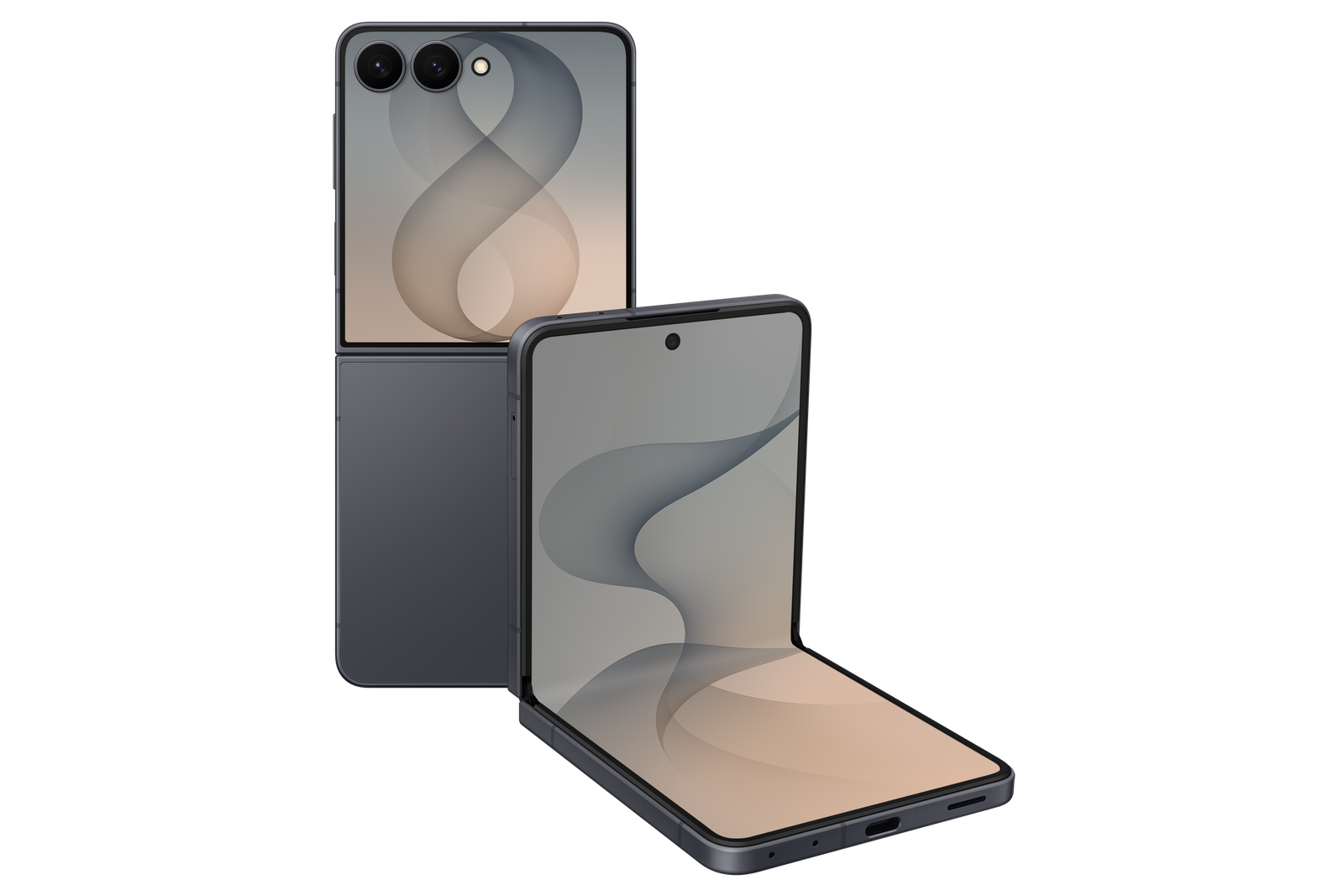
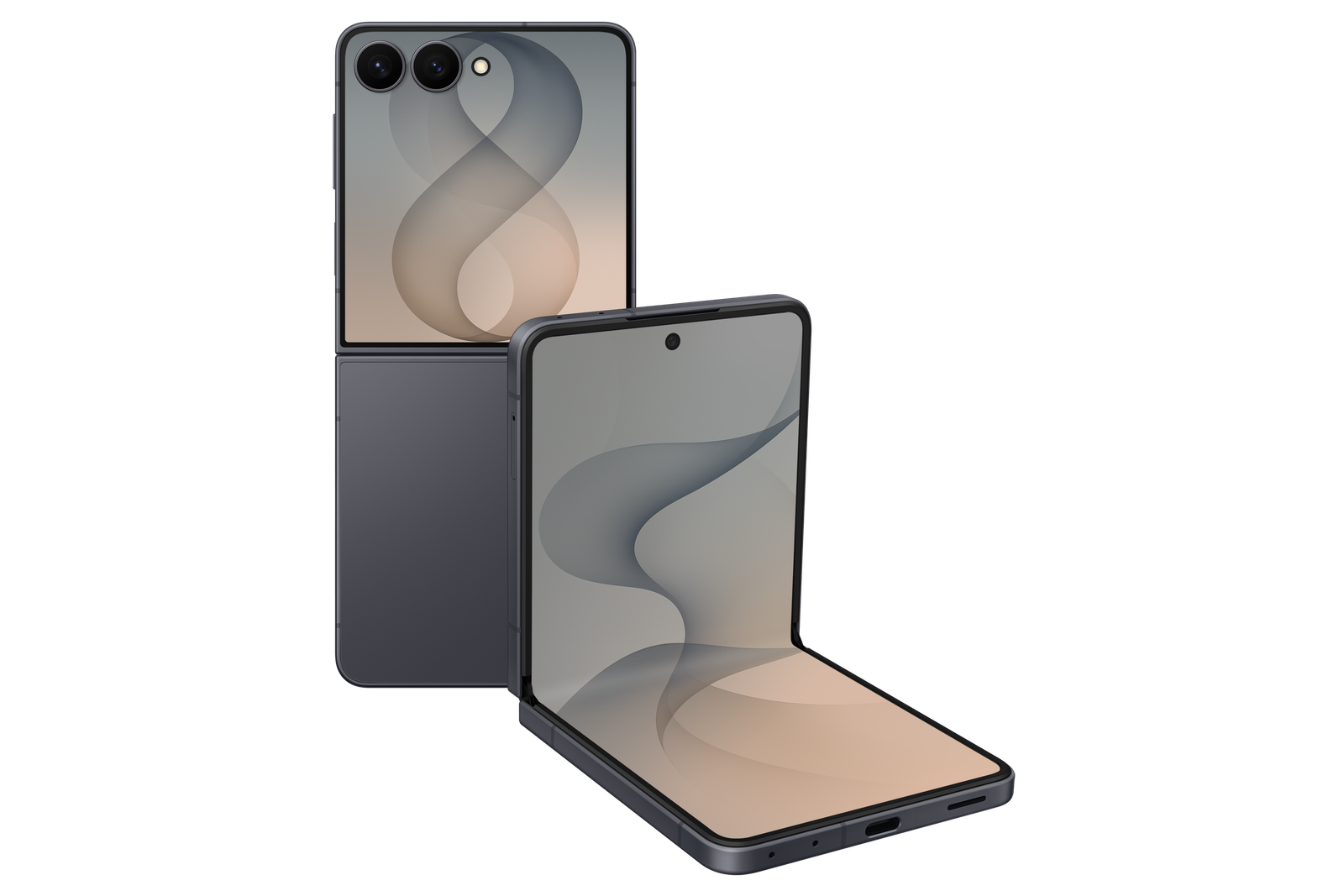
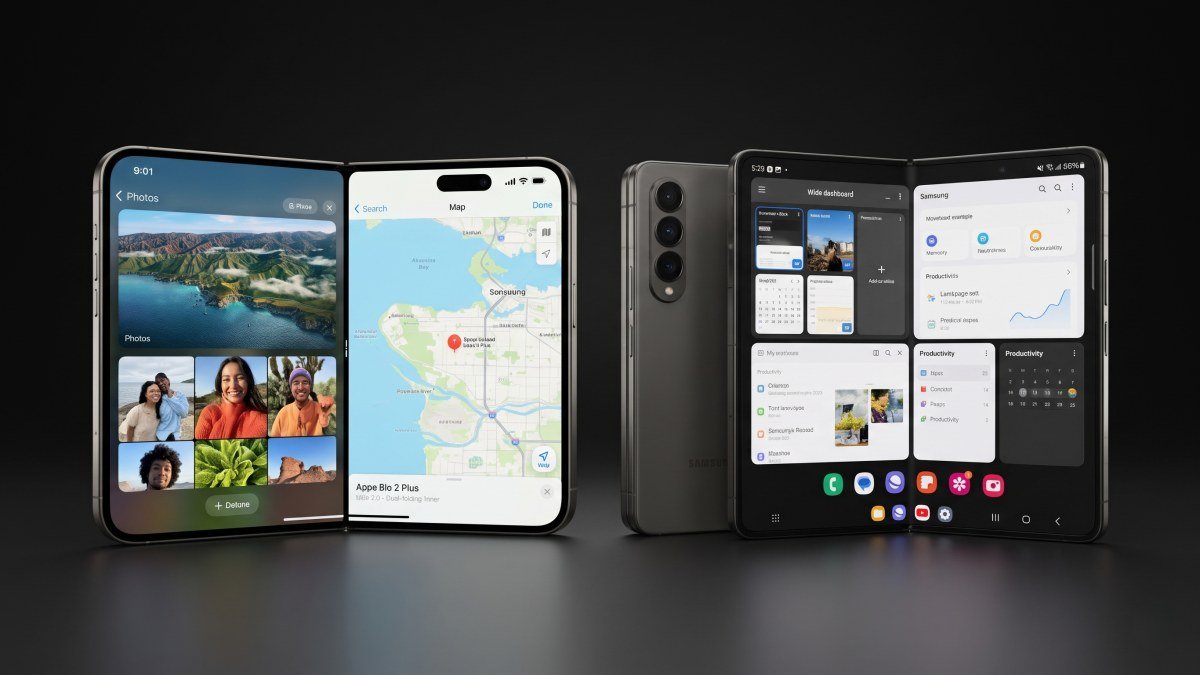
According to fresh supply chain leaks hitting the tech world this week, both Apple and Samsung are actively developing larger, wider iterations of their flagship foldables targeted for a 2027 release. Tentatively dubbed the "iPhone Duo 2 Plus" and the "Galaxy Z Fold 9 Plus," these upcoming devices are designed to push the boundaries of pocketable technology, bringing smartphones dangerously close to full-sized tablet replacements.
If you are currently debating whether to drop two thousand dollars on a first-generation Apple foldable or a mature Samsung device during this holiday season, you need to look at what is coming down the pipeline. Here is a comprehensive deep dive into the latest Galaxy Z Fold 9 leaks, the swirling iPhone Duo foldable rumors, and why the tech industry's biggest players are betting everything on wider screens.
The iPhone Duo Reality Check: Growing Pains and High Demand
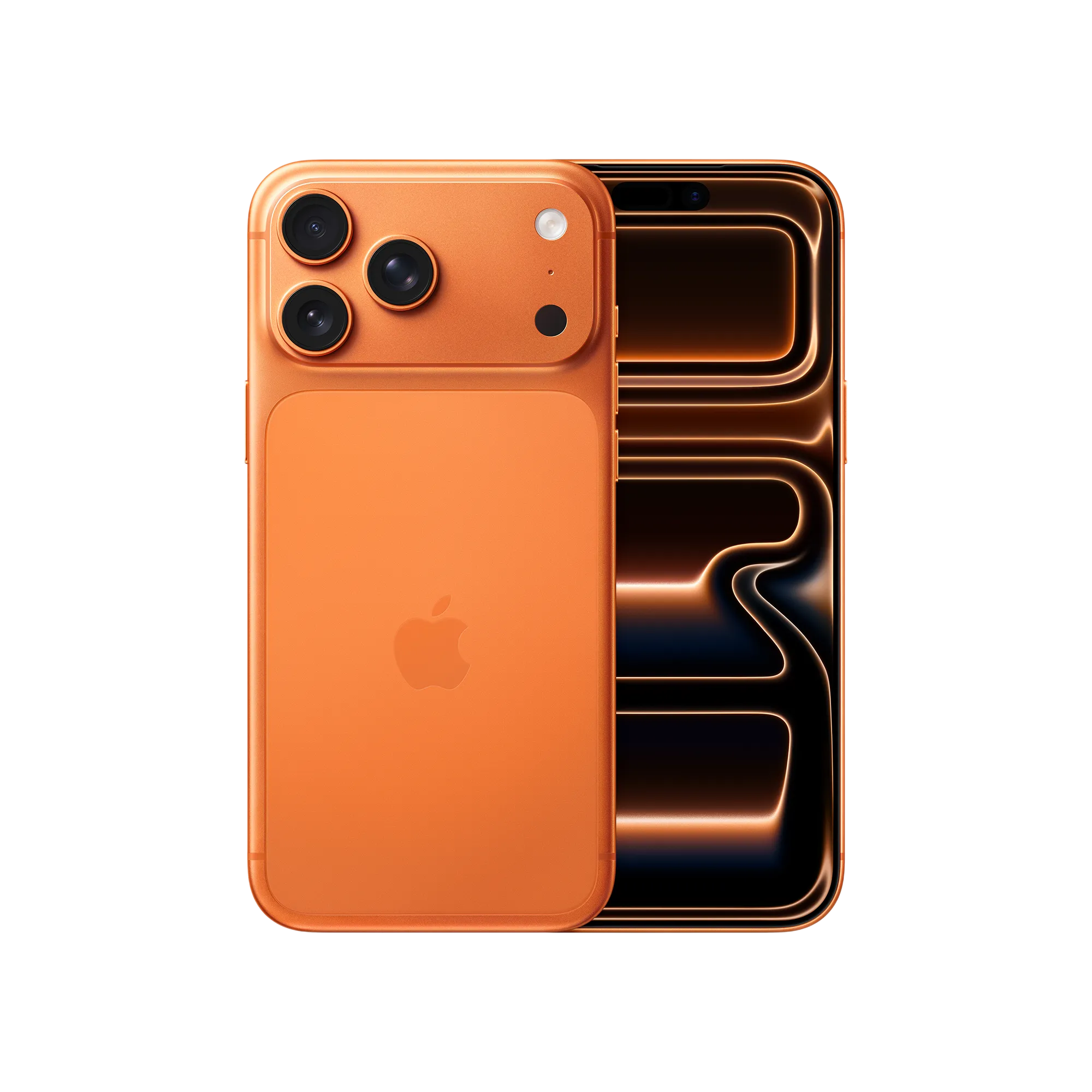
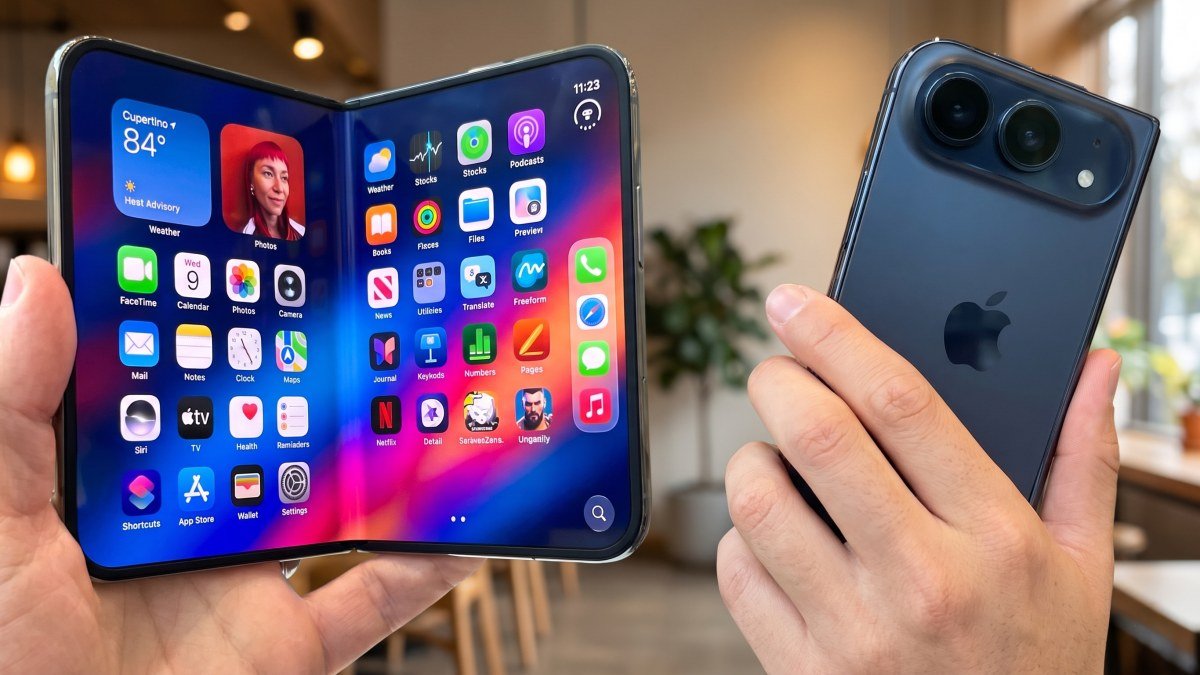
To understand why Apple is already looking toward a bigger "Plus" model, we have to look at the immediate reception of the current iPhone Duo. Launched in October 2026 with a staggering $1,999 starting price, Apple’s first foldable was an instant commercial juggernaut. Demand was so overwhelming that US and UK shipping dates were rapidly pushed back into January 2027.
The hardware is undeniably impressive, driven by the powerhouse A20 Pro chip and featuring a gorgeous 7.6-inch inner display. However, the device is very much a first-generation product suffering from notable growing pains. It is noticeably thicker and heavier than the refined Galaxy Z Fold 8, and early adopters are struggling with severe iOS app compatibility issues on the square-ish inner display. More concerningly, some owners have reported spontaneous inner display cracks and mechanical hinge issues requiring total device replacements via AppleCare.
Furthermore, Apple made strict hardware compromises to hit their launch window. The current iPhone Duo completely lacks Face ID (relying instead on Touch ID) and omits a dedicated telephoto zoom lens, featuring only a 48MP dual-camera system.
By shifting focus to a rumored iPhone Duo 2 Plus for 2027, Apple has the opportunity to stretch the chassis. A wider, larger physical footprint provides the internal volume necessary to finally integrate the TrueDepth camera system for Face ID, add a periscope telephoto lens, and implement a more robust hinge mechanism that drastically reduces stress on the fragile inner glass.
Samsung’s Counter-Offensive: The Galaxy Z Fold 9
While Apple battles early-adopter hardware bugs, Samsung is preparing to execute a masterclass in foldable refinement. The Galaxy Z Fold 8 has seen a massive 20% surge in sales precisely because skeptical buyers are flocking to Samsung's proven durability over Apple's untested hinge. But Samsung is not sitting idle; the standard Galaxy Z Fold 9 is already slated for a July 2027 launch.
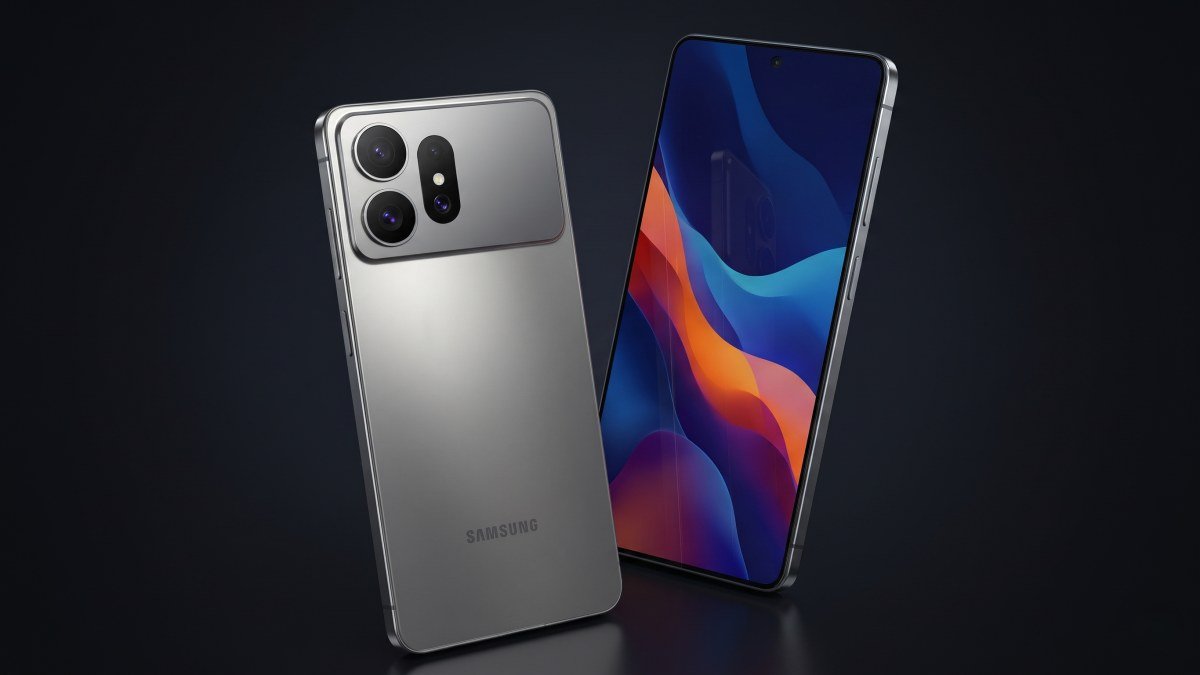
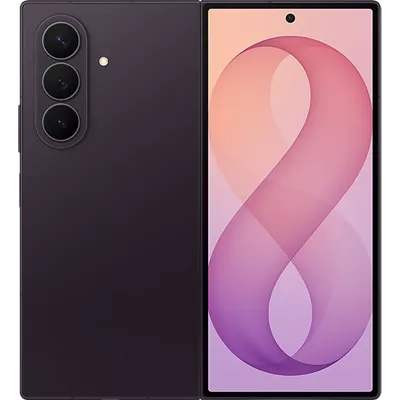
The standard Galaxy Z Fold 9 is expected to maintain the current 7.6-inch inner display and the traditional 4:3 passport form factor. However, Samsung is reportedly deploying game-changing screen technology to finally eliminate the biggest complaint about foldables: the display crease.
According to early leaks, Samsung Display is developing a "Wide View OLED" panel combined with CTG (Center-Etched Thin Glass) technology. This manufacturing process physically thins out only the exact central folding zone of the glass, creating a near-creaseless viewing experience without sacrificing the structural integrity of the rest of the display.
Under the hood, the Z Fold 9 will be an absolute powerhouse. It is expected to launch with the 2nm Snapdragon 8 Elite Gen 6 processor, a 4,800mAh battery with 45W fast charging, and the brand-new One UI 10 built on top of Android 18. But for power users, the standard model might not be enough.
The "Plus" Era: Why Wider is Actually Better
The rumor that both manufacturers are actively developing "Plus" variants of these devices points to a fundamental shift in consumer demand. While the current 7.6-inch displays are excellent for reading emails and basic split-screen multitasking, their boxy aspect ratios are terrible for modern media consumption. When you watch a standard 16:9 YouTube video or Netflix film on a current Z Fold 8 or iPhone Duo, the aggressive black letterboxing shrinks the actual video size down to that of a standard slab smartphone.
By creating a wider foldable (moving away from the square aspect ratio to something more rectangular), both companies can solve multiple problems at once:
- Media Consumption: A wider inner display massively reduces letterboxing, providing a true cinema-like tablet experience for widescreen video.
- Uncompromised Multitasking: A wider screen allows two full-sized smartphone apps to run side-by-side in their native vertical aspect ratios, completely eliminating the app formatting issues currently plaguing the iPhone Duo.
- Thermal Management: A larger surface area acts as a giant passive radiator, allowing ultra-fast chips like the A20 Pro and Snapdragon 8 Elite Gen 6 to sustain peak performance for mobile gaming without thermal throttling.
Interestingly, because Samsung Display is the primary supplier for Apple's foldable OLED panels, the supply chain indicates that both companies might end up utilizing remarkably similar foundational screen technology for these oversized 2027 variants.
Spec Showdown: The 2027 Foldable Landscape
While official announcements are still months away, supply chain leaks and historical launch patterns provide a very clear picture of what the 2027 ultra-premium foldable market will look like. Here is how the rumored hardware stacks up:
| Feature expected in 2027 | Galaxy Z Fold 9 (Standard) | iPhone Duo 2 Plus (Rumored) |
|---|---|---|
| Expected Launch Window | July 2027 | Late 2027 |
| Inner Display Size | 7.6-inch (Wide View OLED) | 8.0-inch+ (Expanded Wide Aspect) |
| Processor | Snapdragon 8 Elite Gen 6 | Apple A21 Pro (Expected) |
| Display Glass Innovation | CTG (Center-Etched Thin Glass) | Reinforced Ceramic Shield (Foldable) |
| Operating System | Android 18 (One UI 10) | iOS 21 (Foldable Optimized) |
| Estimated Base Price | $1,899 - $1,999 | $2,199+ (Premium Tier) |
Swipe sideways to see all table columns →
- Galaxy Z Fold 9 (Standard)
- July 2027
- iPhone Duo 2 Plus (Rumored)
- Late 2027
- Galaxy Z Fold 9 (Standard)
- 7.6-inch (Wide View OLED)
- iPhone Duo 2 Plus (Rumored)
- 8.0-inch+ (Expanded Wide Aspect)
- Galaxy Z Fold 9 (Standard)
- Snapdragon 8 Elite Gen 6
- iPhone Duo 2 Plus (Rumored)
- Apple A21 Pro (Expected)
- Galaxy Z Fold 9 (Standard)
- CTG (Center-Etched Thin Glass)
- iPhone Duo 2 Plus (Rumored)
- Reinforced Ceramic Shield (Foldable)
- Galaxy Z Fold 9 (Standard)
- Android 18 (One UI 10)
- iPhone Duo 2 Plus (Rumored)
- iOS 21 (Foldable Optimized)
- Galaxy Z Fold 9 (Standard)
- $1,899 - $1,999
- iPhone Duo 2 Plus (Rumored)
- $2,199+ (Premium Tier)
The Financial Ceiling: How Much Will They Cost?
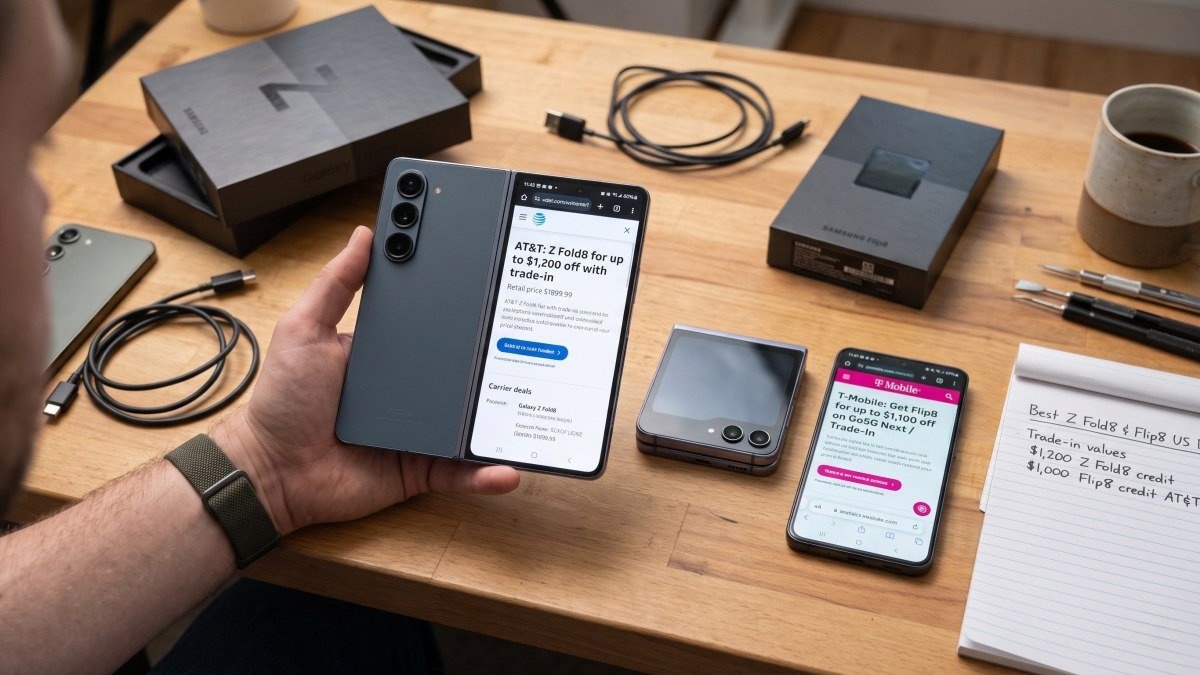
The impending arrival of "Plus" sized foldables brings up a very harsh financial reality for US consumers. The standard Galaxy Z Fold 9 is already expected to command a base price in the $1,899 to $1,999 range. The baseline Apple iPhone Duo currently demands $1,999 before taxes or AppleCare.
If these manufacturers introduce even larger variants with more complex hinge mechanisms and massive 8-inch plus screens, we are looking at a scenario where a consumer smartphone shatters the $2,200 barrier. At that price point, the device is no longer competing with other phones; it is actively competing with high-end laptops like the MacBook Pro. To justify this cost, Apple and Samsung will have to rely heavily on carrier subsidies and aggressive 36-month bill credit promotions to keep monthly payments palatable for the average buyer.
The Final Verdict: Should You Buy Now or Wait?
The revelation that both Samsung and Apple are aggressively pursuing wider, larger foldables places current holiday shoppers in a difficult position.
If you are an Apple loyalist who absolutely must have a folding device today, the first-generation iPhone Duo is a beautiful piece of hardware, provided you are willing to tolerate missing features like Face ID, app bugs, and potential long-term durability risks. However, if you are looking for long-term reliability and the best possible multitasking experience, purchasing the mature Galaxy Z Fold 8 today is the vastly safer financial choice.
But if your current slab smartphone is still functioning perfectly, our definitive advice is to hold your budget until late 2027. The leap from the first-generation iPhone Duo to the rumored iPhone Duo 2 Plus—and the introduction of creaseless glass on the Galaxy Z Fold 9—will represent the largest generational leap in foldable technology we have seen in half a decade. The future of smartphones is undoubtedly foldable, and very soon, it is going to be significantly wider.