The Thin Phone Wars Return: How the iPhone Air 2 and Galaxy S27 Edge Are Solving the Battery Dilemma
Since the dawn of the modern smartphone, consumers have begged for two things that fundamentally contradict each other: impossibly thin designs and all-day battery life. For years, the laws of physics forced us to choose. But a new wave of smartphone leaks suggests that the era of compromise might finally be over.
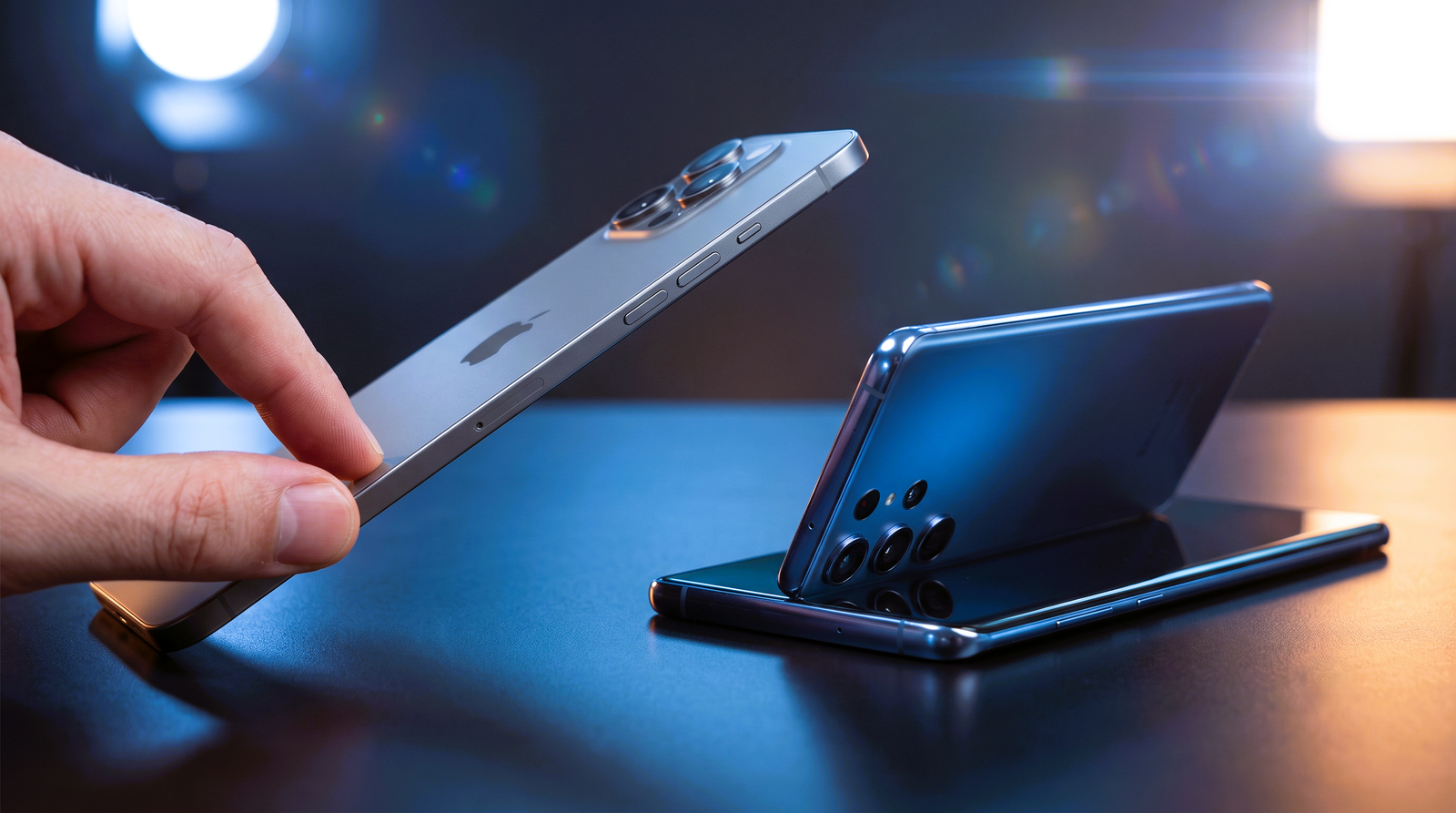
Both Apple and Samsung are reportedly gearing up to launch next-generation ultra-thin smartphones. The highly anticipated iPhone Air 2 and Samsung's experimental Galaxy S27 Edge are rumored to push the boundaries of design, shrinking down to mind-boggling dimensions. The real story, however, isn't just about shaving off millimeters. It is about a revolutionary leap in internal technology—specifically battery chemistry—that could finally make ultra-thin smartphones a daily driver rather than a fragile luxury. Let's dive into the rumors, the specs, and the science behind the upcoming ultra-thin revolution.
The First Generation’s Fatal Flaw: Style Over Substance
To understand the hype around the upcoming devices, we have to look back at their immediate predecessors. When the first-generation ultra-thin phones launched—most notably Apple's original 5.6mm iPhone Air in September 2025 and Samsung's Galaxy S25 Edge in May 2025—they were hailed as design marvels. They slipped effortlessly into pockets and felt like a glimpse into the future.
But US consumers quickly discovered the catch. The biggest compromise of this first generation was battery endurance. Squeezing a traditional lithium-ion battery into a chassis that thin meant sacrificing capacity. For power users, the original iPhone Air and Galaxy S25 Edge struggled to meet daily demands. To hit the ultra-thin footprint, Samsung compromised heavily on the S25 Edge by shipping it with a 3,900mAh battery and capping charging speeds at 25W. These devices were visually stunning but practically frustrating, leaving tech enthusiasts wondering if the ultra-thin form factor was nothing more than an ongoing experiment.
Apple’s iPhone Air 2: Thinner, Yet Somehow Better
According to recent supply chain whispers, Apple is doubling down on its thin lineup with the iPhone Air 2. The rumor mill suggests that Apple has managed to shave the device down to a mere 5.2mm. To put that into perspective, that is roughly 0.4mm thinner than the original 5.6mm iPhone Air.
How is Apple addressing the battery life crisis?
- Battery Improvements: Despite the reduction in thickness, rumors indicate that the iPhone Air 2 will actually feature improved battery life compared to the original model. Apple is reportedly switching to new higher-density battery tech that tops the 3,149mAh cell found in the current iPhone Air.
- Advanced Silicon Efficiency: The device is expected to be powered by the highly efficient A20 Pro chip. Apple’s continued transition to smaller nanometer processing nodes significantly boosts both speed and power efficiency, generating less internal heat.
- Titanium Architecture: Apple is reportedly keeping a titanium frame for the new Air. Titanium allows the company to maintain structural rigidity in an incredibly thin profile while leaving optimal space for internal components.
- Camera Upgrades: As a bonus, Apple is reportedly adding a 48-megapixel ultrawide camera right next to the 48-megapixel main sensor, fixing one of the primary drawbacks of the first generation.
If Apple can successfully market a 5.2mm iPhone that lasts throughout the day, it will set a massive new benchmark for the premium US smartphone market. If you're comparing Apple's top-tier offerings, be sure to check out the current iPhone 18 Pro Max deals to see how the flagship lineup handles battery life.
Samsung’s Counterpunch: The Galaxy S27 Edge
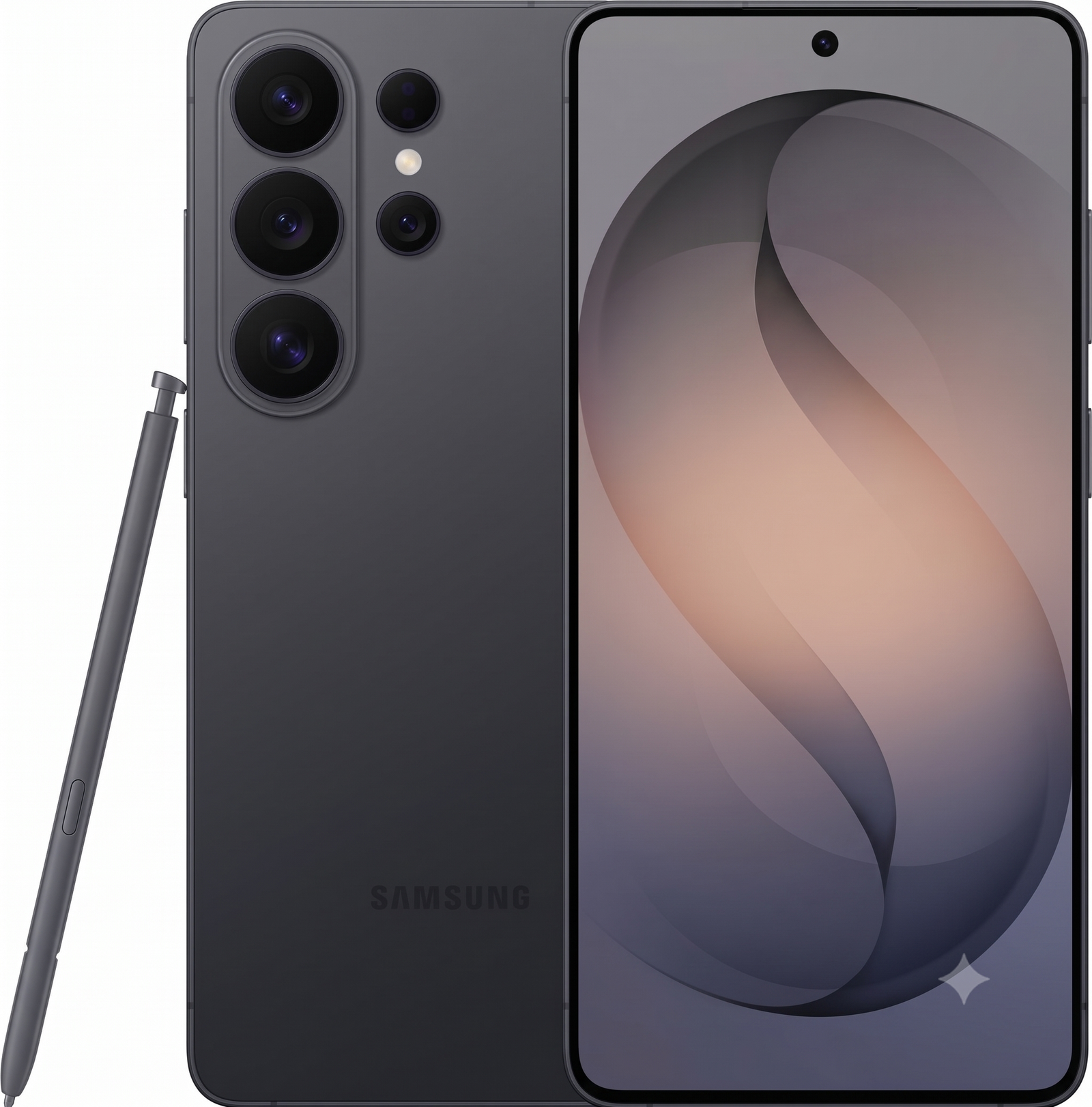
Not to be outdone, Samsung is reportedly returning to the ultra-thin fight with a vengeance. After the first generation's limitations, Samsung is purportedly preparing the Galaxy S27 Edge for a 2027 release alongside the mainline Galaxy S27 Ultra.
The Galaxy S27 Edge's biggest upgrade won't just be its exterior design; it will be the technology powering it from the inside: a Silicon-Carbon battery.
Current leaks present a few possibilities for the exact dimensions of this device. Some rumors claim the S27 Edge could feature a profile in the low 4-millimeter range with a 4,300mAh battery, while other sources suggest a 5.4mm thick chassis. Either way, for a phone that thin, relying on traditional lithium-ion technology would force significant capacity compromises. By moving to new battery chemistry, Samsung is attempting to build a thinner phone that actually lasts longer.
The Holy Grail: Silicon-Carbon Battery Technology
Why is the term "Silicon-Carbon" suddenly dominating smartphone rumors? To understand why this is a game-changer for the US market, we need to look at the chemistry.
For decades, smartphones have relied on standard batteries with physical limitations on energy density. By utilizing a silicon-carbon anode design, battery manufacturers have unlocked a way to vastly increase energy density.
- More Power, Less Space: Silicon-carbon technology allows companies like Samsung to pack larger capacities into devices without altering the smartphone's thickness. For example, rumors point to the Galaxy S27 Ultra packing a massive 5,700mAh typical capacity battery using this tech.
- Cold Weather Performance: These advanced batteries are designed to withstand freezing conditions and offer smart outdoor charging capabilities, a massive bonus for users in colder US climates.
- Faster Charging and Durability: High-density silicon-carbon cells can charge more quickly than traditional lithium-ion batteries and provide enhanced overall efficiency.
Samsung has already begun utilizing this technology in its foldables, such as the Galaxy Z Fold 8 Ultra, which features a dense 5,000mAh silicon-carbon cell. Bringing this tested technology to a hyper-thin slab phone like the Galaxy S27 Edge could permanently solve the battery dilemma.
What This Means for the US Consumer
For the American smartphone buyer, the last few years have felt incredibly iterative. While processors get faster and cameras get slightly better, the overall form factor of premium devices has remained relatively stagnant.
The revival of the ultra-thin phone—spearheaded by the iPhone Air 2 and Galaxy S27 Edge—represents a major form-factor disruption. US consumers want devices that are lightweight, futuristic, and aesthetically pleasing, but they refuse to carry a portable charger everywhere they go.
If these rumors hold true, 2027 will be the year that consumers no longer have to choose between an elegant design and practical endurance. Through a combination of efficient processors and the rollout of silicon-carbon batteries, the next generation of smartphones is poised to finally solve the biggest problem with going thin.
Disclaimer: Neither the iPhone Air 2 nor the Galaxy S27 Edge has been officially confirmed by Apple or Samsung. Specs and release dates are based on current industry leaks and supply chain rumors. To see what is currently available, browse the best phone deals in the USA on DevDuniya.