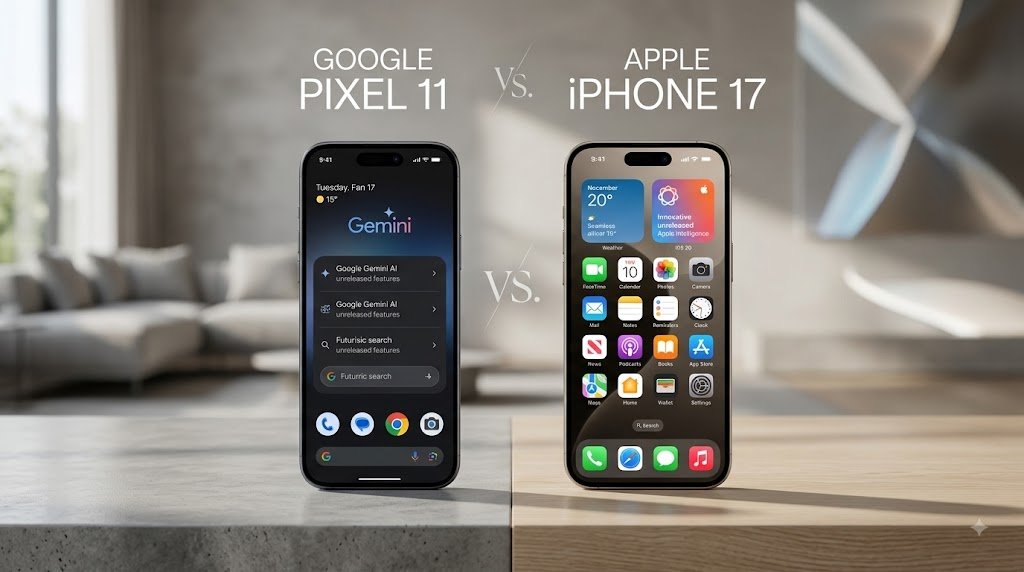
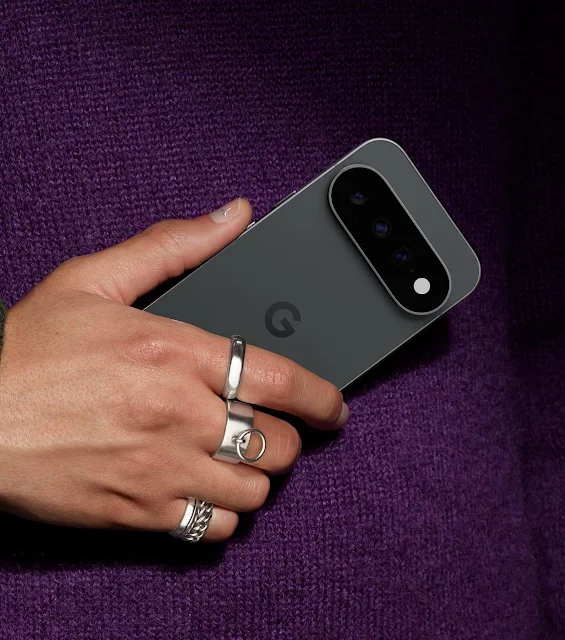
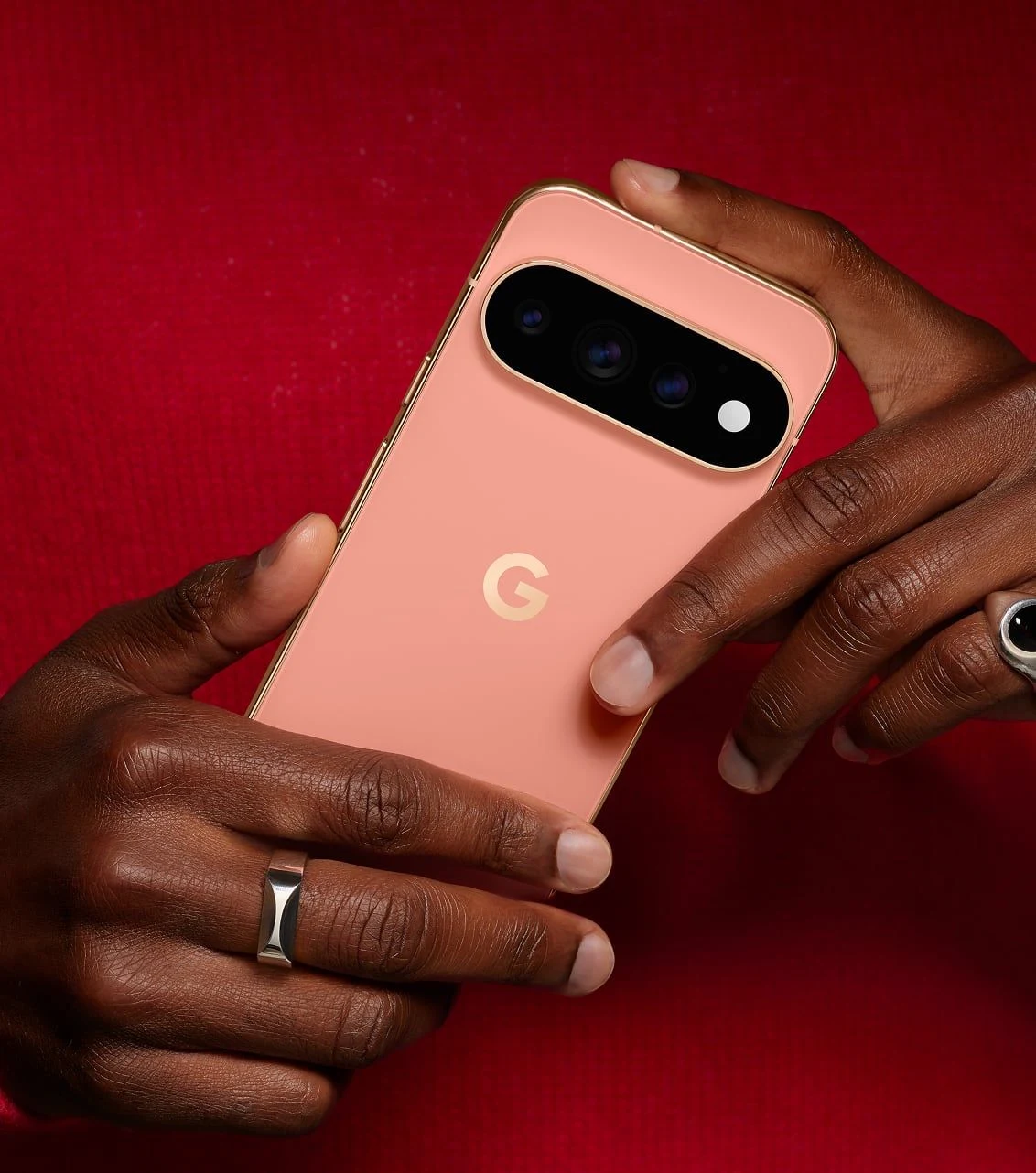
The smartphone landscape in 2026 has officially peaked. US buyers are facing one of the most difficult upgrade decisions in recent history. On one side, we have the freshly launched Google Pixel 11, sporting the groundbreaking 2nm Tensor G6 chip and unparalleled AI integration. On the other side stands the incredibly formidable Apple iPhone 17—a device released in September 2025 that finally brought Pro-level features to the base model.
If you are stuck choosing between these two premium powerhouses, do not just look at a spec sheet. We are breaking down how these devices actually perform in the real world across every critical category so you can make the smartest investment for the next few years. Let’s dive into the ultimate 2026 flagship showdown! 🥊
📸 Camera
Both tech giants are legendary for their computational photography, but they take very different physical approaches this generation.
- Google Pixel 11: Google relies heavily on AI to produce stunning images. The Pixel 11 features a 48MP main sensor paired with a 13MP ultrawide lens. While it lacks a dedicated telephoto lens, the Tensor G6 chip pushes Super Res Zoom up to 30x. Features like Magic Capture and Add Me (which lets you magically insert yourself into group shots) make this the most fun and versatile camera for casual shooters.
- Apple iPhone 17: Apple completely overhauled the base iPhone camera. The iPhone 17 rocks a 48MP Fusion Main camera alongside a vastly upgraded 48MP Fusion Ultra Wide sensor. Flipping to the front, Apple introduced a new 18MP Center Stage selfie camera with a square sensor, allowing for flawless portrait and landscape shots without rotating the device. For videographers, the iPhone 17 still reigns supreme with 4K Dolby Vision recording up to 60 fps.
🧠 AI Features
Artificial Intelligence is the biggest selling point for smartphones in 2026. Both ecosystems are racing to be your ultimate digital assistant.
- Google Pixel 11: The Pixel 11 is built from the ground up for Gemini AI. Thanks to the new Dual-TPU "Santafe" architecture on the Tensor G6, Gemini runs complex tasks completely offline. Whether you are using Circle to Search or asking Gemini to summarize an hour-long meeting recording, the Pixel 11 feels like a proactive assistant that anticipates your needs.
- Apple iPhone 17: Apple Intelligence is deeply integrated across iOS 26. Powered by the 16-core Neural Engine inside the A19 chip, Apple’s AI focuses heavily on writing tools, custom Genmoji creation, and a much smarter, context-aware Siri. It is incredibly polished and seamlessly woven into Apple's native apps.
🔋 Battery
Battery anxiety is the ultimate dealbreaker for US buyers. Here is how they stack up:
- Google Pixel 11: Google packed a massive ~4,985mAh battery into the Pixel 11. Combined with the ultra-efficient 2nm TSMC manufacturing process of the Tensor G6, this phone easily coasts through a heavy day of 5G usage and gaming without needing a midday top-up.
- Apple iPhone 17: Apple’s device features a much smaller ~3,600mAh battery. However, do not let the raw numbers fool you. Apple's hardware and software optimization is legendary, ensuring the iPhone 17 delivers phenomenal all-day battery life that competes directly with the much larger cell in the Pixel.
🚀 Performance
Under the hood, both of these base models pack flagship-tier silicon.
- Google Pixel 11: The Tensor G6 chip is Google's biggest leap forward, finally matching industry standards for thermal management. It also comes standard with 12GB of RAM, ensuring that heavy AI models stay loaded in memory for instant access.
- Apple iPhone 17: The iPhone 17 is powered by the A19 chip, which features a 6-core CPU and a 5-core GPU with Neural Accelerators. Apple finally ditched smaller memory tiers, equipping the base iPhone 17 with 8GB of RAM to handle Apple Intelligence natively. It is a multitasking beast.
📺 Display
For years, the base iPhone was mocked for its sluggish 60Hz screen. In 2026, that is no longer the case.
- Google Pixel 11: Features a gorgeous 6.3-inch Actua OLED display with a buttery smooth 120Hz adaptive refresh rate. It peaks at a blinding 3,000 nits, making it incredibly easy to read under the harsh summer sun.
- Apple iPhone 17: Apple finally brought ProMotion to the base model! The iPhone 17 features a 6.3-inch Super Retina XDR OLED display with a 120Hz adaptive refresh rate. It also matches Google in brightness, hitting an astonishing 3,000 nits outdoors. For durability, the screen is protected by Ceramic Shield 2, offering 3x better scratch resistance.
📱 Software
- Google Pixel 11: Ships with Android 17. The Pixel UI remains the cleanest, most fluid version of Android available. It is highly customizable and free of bloatware.
- Apple iPhone 17: Ships with iOS 26 out of the box. The iOS 26 update introduced a major visual overhaul featuring the new "Liquid Glass" design language, making it one of the most aesthetically pleasing updates in Apple history.
🔄 Updates
If you hold onto your phones for a long time, both companies have your back.
- Google Pixel 11: Guarantees an industry-leading 7 years of OS, security, and Pixel Feature Drop updates.
- Apple iPhone 17: While Apple does not explicitly state a year count, historically, iPhones receive robust iOS updates for 5 to 7 years, meaning the iPhone 17 will remain fully supported well into the 2030s.
🔒 Privacy
- Google Pixel 11: Secured by the dedicated Titan M3 chip, the Pixel 11 offers hardware-level protection for your biometric data and passwords. Google has also ensured that most Gemini AI tasks happen locally on-device, keeping your personal data out of the cloud.
- Apple iPhone 17: Apple Intelligence was built with groundbreaking privacy protections at its core, ensuring nobody—not even Apple—can access your AI data. Security is handled flawlessly by Face ID, integrated directly into the Dynamic Island.
💰 Price
Apple threw a massive curveball in the pricing war this generation.
- Apple iPhone 17: Despite earlier rumors of a price hike, Apple held the line. The iPhone 17 starts at $799, and they doubled the base storage to 256GB.
- Google Pixel 11: Google also set their base storage to 256GB, but the Pixel 11 starts slightly higher at $899.
For the first time in a while, the base iPhone is actually cheaper than the base Pixel!
🏷️ Carrier deals
In the US, MSRP rarely dictates what you actually pay. Both phones are heavily subsidized by Verizon, AT&T, and T-Mobile.
If you are willing to trade in a premium device and sign a 36-month installment plan on a top-tier unlimited data plan, you can frequently score either the Pixel 11 or the iPhone 17 for $0 out of pocket. Always check your carrier's current trade-in promotions, as they fluctuate wildly around major launch windows.
🇺🇸 Which is better for US buyers?
The US market is heavily segmented by ecosystem lock-in, making this decision highly subjective based on what you already own.
🤖 Pixel 11 for Android users
If you are already embedded in the Google ecosystem (using Gmail, Google Photos, Drive, and Google Home), the Pixel 11 is the ultimate device. The 12GB of RAM makes it a more robust long-term multitasking device, and the Gemini AI integration feels more proactive and conversational than Siri. If you value a deeply customizable home screen, world-class astrophotography, and not being locked into Apple's walled garden, the Pixel 11 is your best bet.
🍏 iPhone 17 for Apple ecosystem users
If you own a Mac, an iPad, or an Apple Watch, you absolutely must buy the iPhone 17. The seamless integration of iOS 26 across your devices cannot be replicated. Furthermore, Apple completely eliminated the compromises of past base models: you finally get a 120Hz display, 256GB of starting storage, and a dual 48MP camera setup for $799. It is arguably the most sensible, value-packed upgrade Apple has released in years.
🏆 Final winner
It is a Tie—But a Historic One.
For the first time in years, the base models from both Google and Apple have zero weak points. The Google Pixel 11 wins on raw AI capabilities, RAM (12GB vs 8GB), and a more open software experience. However, the Apple iPhone 17 offers an incredibly refined iOS 26 experience, finally brings a 120Hz ProMotion screen to the masses, and undercuts Google's starting price by $100.
Ultimately, your choice in 2026 comes down to your preferred operating system. Whichever flagship you choose, you are walking away with a masterpiece of modern engineering.