Samsung Galaxy Ring 2 Delayed to 2027: Why the 10-Day Battery is Worth the Wait
The smart ring market is undergoing a massive transformation, shifting from a niche accessory for biohackers into a mainstream health necessity for the average consumer. When Samsung debuted its first Galaxy Ring, it promised a subscription-free ecosystem that directly challenged established players. Naturally, expectations for the sequel have been sky-high. However, if you were hoping to slide the next generation onto your finger before the end of 2026, you will need to adjust your expectations.
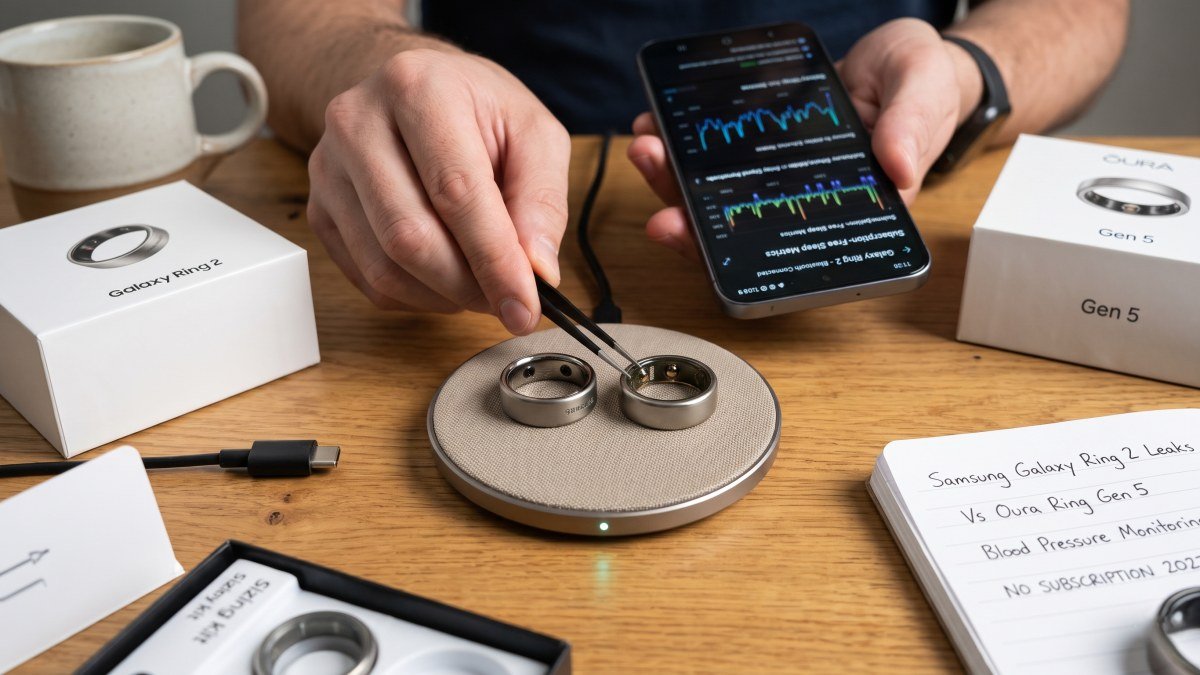
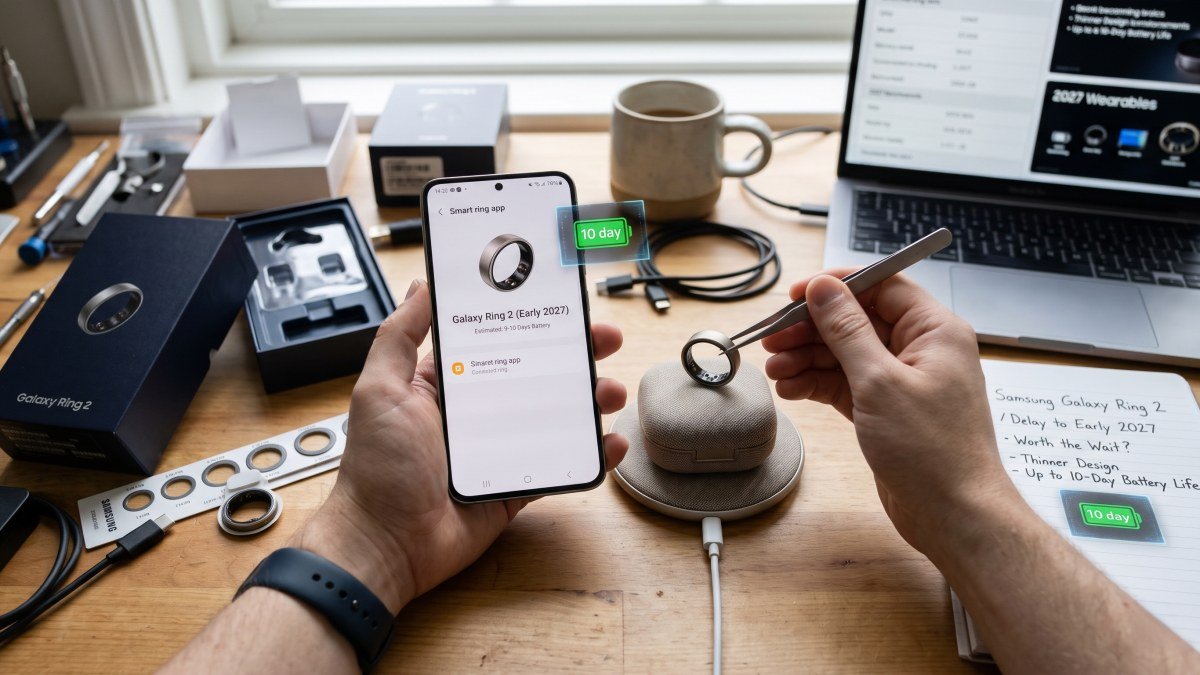
Recent supply chain reports and industry insiders have confirmed that the Samsung Galaxy Ring 2 delayed 2027 launch is officially happening. Instead of rushing an iterative update to the market this holiday season, Samsung has reportedly pushed the release back to early 2027. While a delay is always initially disappointing for tech enthusiasts, the leaked reasons behind this pushed timeline are incredibly exciting.
By taking extra time to refine the hardware, Samsung is fundamentally redesigning the internal architecture to address the biggest complaints of first-generation smart ring users: bulkiness and charging anxiety. Here is a comprehensive breakdown of why the Galaxy Ring 2 was delayed, the massive battery upgrades you can expect, and why it will be the ultimate companion for your next Galaxy smartphone.
The Reason for the Delay: Perfecting the Form Factor
Engineering a smart ring is an absolute nightmare in miniature hardware design. Unlike a smartwatch, where you have a relatively large chassis to hide batteries, sensors, and microprocessors, a ring must fit comfortably between adjacent fingers without causing irritation. The first-generation Galaxy Ring was an impressive feat, but many users felt it was still slightly too thick for comfortable 24/7 wear, particularly during intense gym workouts or while sleeping.
According to leaks from South Korean media, Samsung delayed the Galaxy Ring 2 specifically to finalize a much thinner, lighter titanium chassis. To achieve this, engineers have reportedly utilized highly advanced 3D battery molding techniques. Instead of forcing a rigid, traditional battery cell into a curved space, the new battery physically contours to the exact shape of the ring's inner band.
This manufacturing breakthrough allows Samsung to drastically reduce the exterior thickness of the ring. A thinner design means the ring will sit flush against your skin, eliminating the awkward friction against your middle and pinky fingers. When you are building a device meant to track vital health alerts during deep sleep, absolute physical comfort is non-negotiable.
The 10-Day Battery Life Upgrade
While a thinner design is fantastic, the true headline of the Galaxy Ring 2 leaks revolves around its endurance. The biggest friction point of modern wearable technology is the constant need to recharge. If your smart ring dies in the middle of the night, you lose crucial sleep staging data and recovery metrics.
The current Galaxy Ring offers a respectable battery life that peaks around 7 days for the largest sizes. However, thanks to the new contoured battery design and an ultra-efficient next-generation micro-processor, the Galaxy Ring 2 battery life is expected to jump to an astonishing 9 to 10 days on a single charge.
Hitting the 10-day mark is a massive psychological threshold for consumers. It means you can take a week-long business trip or vacation without even packing the charging case. When compared to the daily charging anxiety associated with standard smartwatches, this endurance makes the Galaxy Ring 2 the ultimate passive tracking device. For users seeking screen-free wellness tracking without the battery drain, this rivals the highly praised endurance of the Fitbit Air.
Ecosystem Synergy: The Ultimate Sleeping Companion
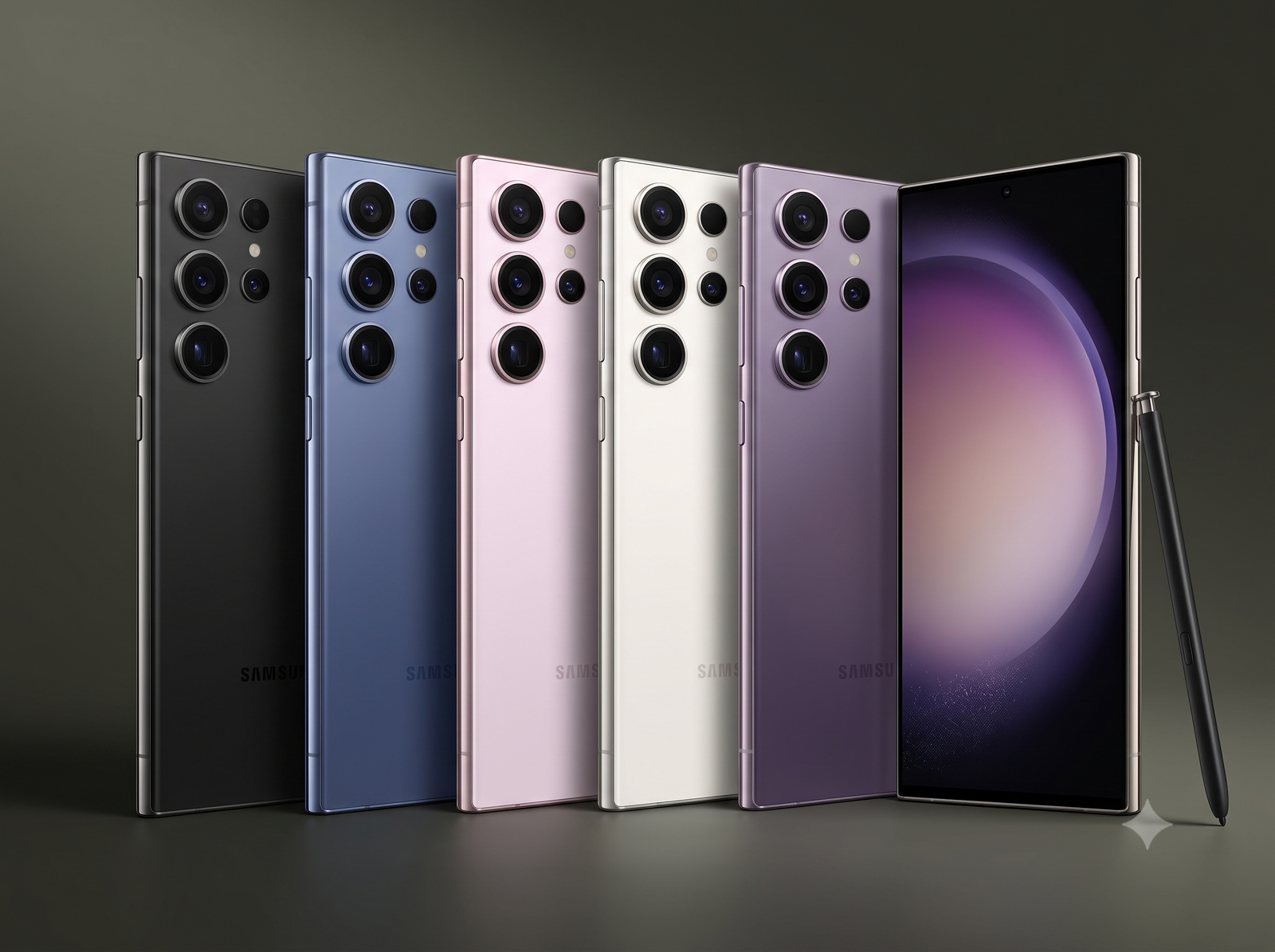
One of the primary reasons Samsung pushed the launch to early 2027 is timing. By delaying the release, Samsung can perfectly align the Galaxy Ring 2 debut with the highly anticipated launch of the Samsung Galaxy S27 Ultra.
Samsung’s vision for the Galaxy Ring 2 relies heavily on ecosystem integration. Rather than functioning as an isolated device, the ring is designed to work in perfect harmony with your smartphone and your Galaxy Watch.
For example, if you wear a Galaxy Watch during the day for GPS run tracking and step counting, you might find it too bulky to wear to bed. When you take the watch off at night and leave the Galaxy Ring 2 on your finger, the Samsung Health app instantly and seamlessly hands off the biometric tracking responsibilities to the ring. The ring will monitor your heart rate variability (HRV), blood oxygen, and skin temperature while you sleep, ensuring you have a complete, uninterrupted 24-hour health profile without the discomfort of wearing a heavy watch to bed.
Advanced Sensors and Subscription-Free Data
While the exterior is getting thinner and the battery is getting larger, the internal sensors are also receiving a major upgrade. The Samsung Galaxy Ring 2 rumors indicate the inclusion of more precise photoplethysmography (PPG) sensors, which will allow for more accurate detection of micro-fluctuations in your resting heart rate.
This data feeds directly into Samsung's AI-driven Energy Score, which gives you a daily rating of your physical readiness based on your sleep quality and previous day's activity. But the most important feature of the Galaxy Ring 2 remains its pricing model.
Competitors in the smart ring space, and even newer AI wearables like the Amazon Bee, frequently hide your own health data behind a mandatory monthly subscription paywall. Samsung is staunchly maintaining its commitment to a subscription-free ecosystem. The reported $399 purchase price of the Galaxy Ring 2 covers the hardware and lifetime access to every single metric within the Samsung Health app. Over a three-year lifespan, the lack of a subscription fee makes the Galaxy Ring 2 significantly cheaper than its primary competitors.
The Final Verdict: Patience Will Pay Off
Waiting until early 2027 for the next generation of Samsung’s smart ring might be frustrating for early adopters, but the strategic delay is unequivocally a win for consumers.
By prioritizing a thinner, more comfortable titanium chassis and pushing the battery endurance to a massive 10-day benchmark, Samsung is ensuring that the Galaxy Ring 2 won't just be an iterative update, but a definitive leap forward in wearable technology. It is designed to be a health tracker that you put on your finger and completely forget about—until it gently reminds you to prioritize your recovery.
If you are planning to completely overhaul your mobile ecosystem early next year with a device like the Galaxy Z Fold 8 or the S27 Ultra, the Galaxy Ring 2 is shaping up to be the ultimate companion accessory. Be sure to check our devices hub regularly as we track the final official release date and pre-order windows for this highly anticipated wearable.