Tensor G7 vs. Exynos 2700: The 2027 Android Chip War Has Already Begun
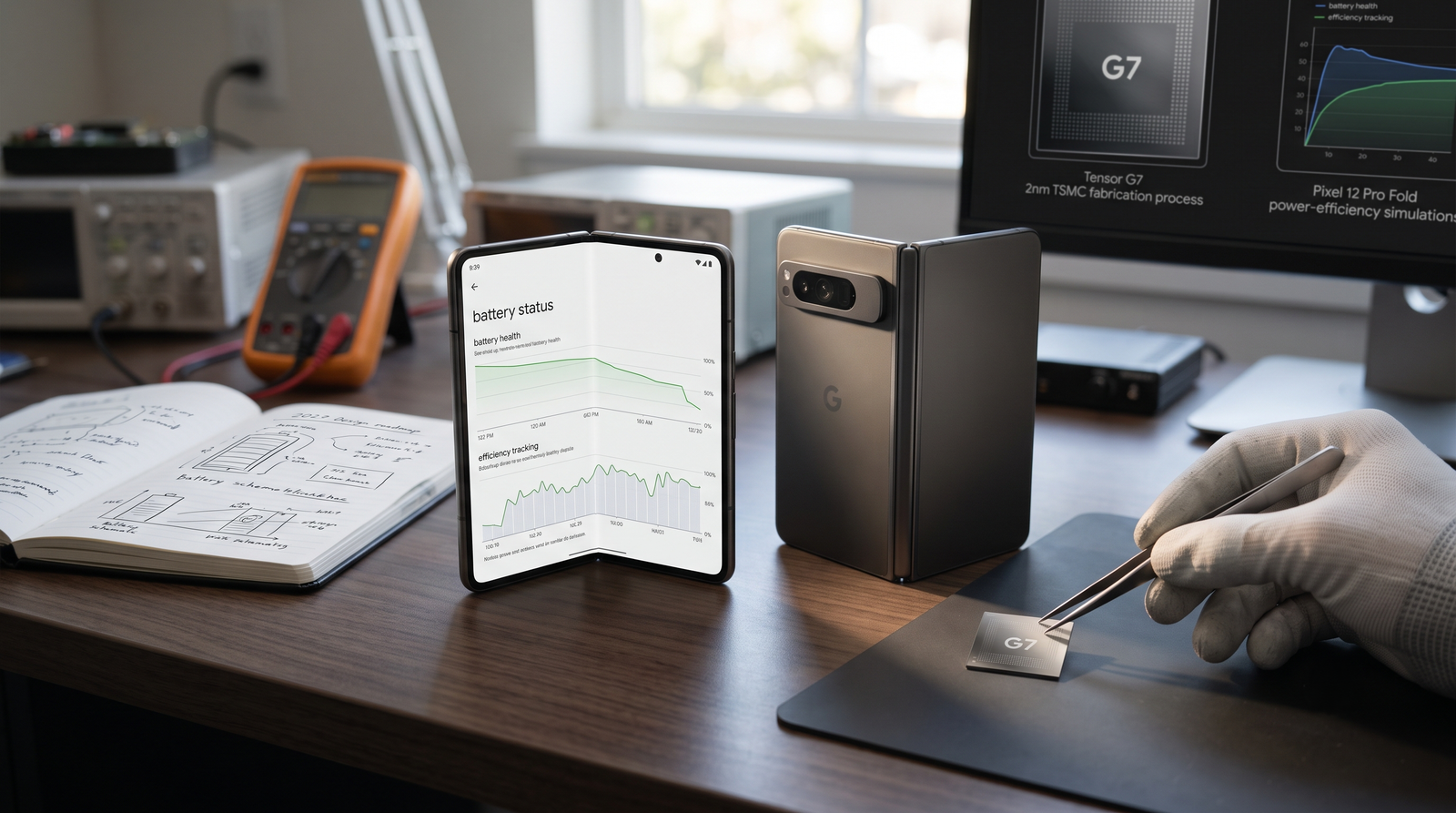
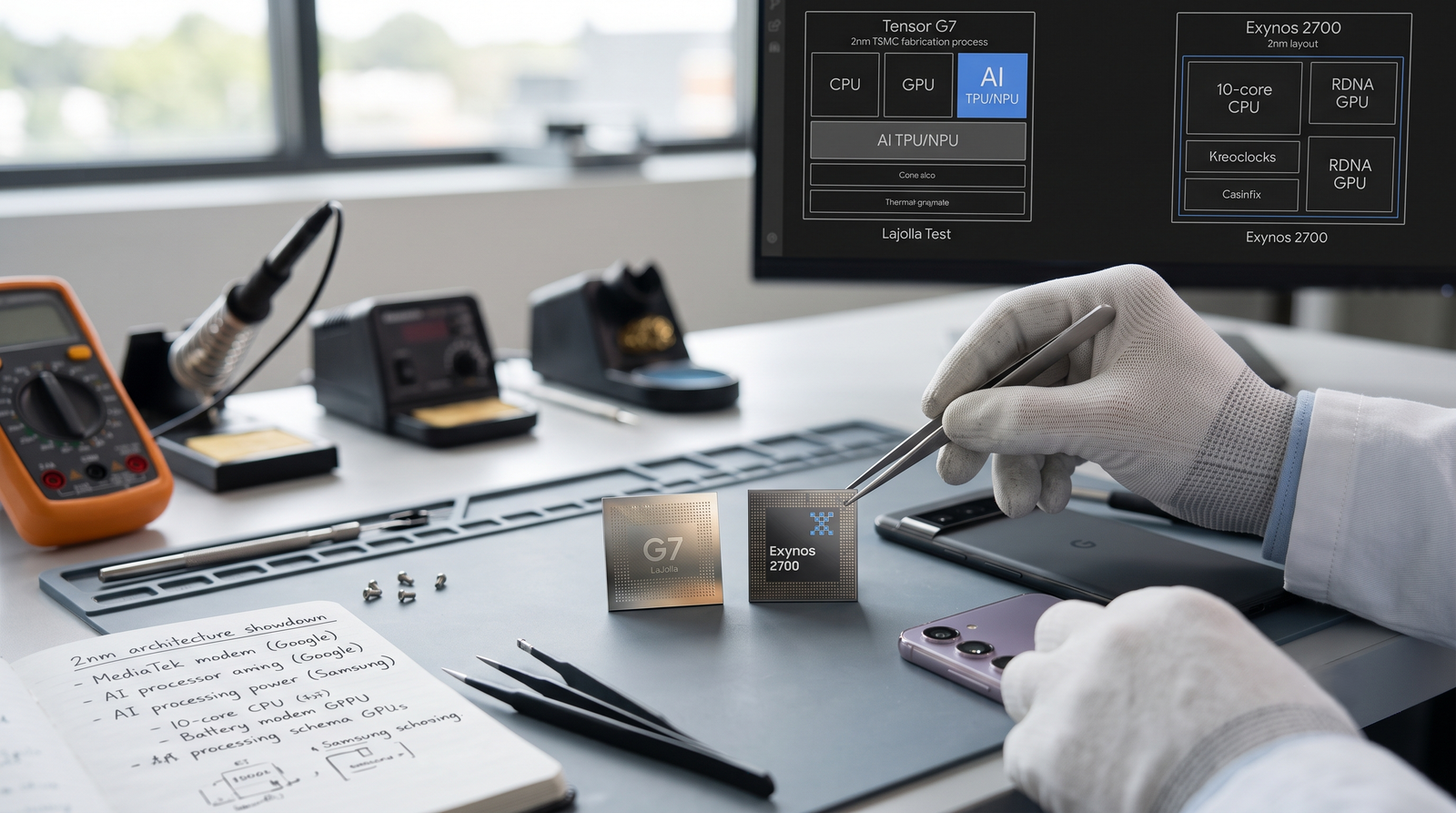
While smartphone buyers are currently weighing their options for 2026 flagships, the silicon architects at Google and Samsung are already looking far beyond. Supply chain leaks and database filings have officially blown the lid off the next-generation processors powering the 2027 flagship tier: Google’s Tensor G7 (codenamed "LaJolla") and Samsung’s in-house Exynos 2700.
This isn't just an incremental spec bump—it is a full-blown war for the future of mobile artificial intelligence. Both tech giants are abandoning off-the-shelf processor designs in favor of custom 2nm architectures engineered to run complex generative AI models on-device without exploding battery temperatures.
Here is a deep dive into the leaked specs, the modem shifts, and how the Tensor G7 vs. Exynos 2700 rivalry will shape your next smartphone upgrade.
The 2nm Manufacturing Revolution
The foundation of the 2027 chip war is the transition to 2nm fabrication nodes. In semiconductor design, moving to a smaller nanometer process allows engineers to pack billions more transistors into the exact same physical space while drastically cutting power consumption.
- Google’s Tensor G7 (TSMC 2nm): Google is continuing its partnership with TSMC, building the Tensor G7 on a refined 2nm node. The primary objective is solving the thermal throttling that plagued earlier Pixel models, allowing sustained AI workflows without heating up the chassis.
- Samsung’s Exynos 2700 (Samsung Foundry 2nm): Samsung is betting big on its own 2nm GAA (Gate-All-Around) process node. Supply chain reports indicate Samsung Foundry has achieved superior yields for the Exynos 2700, enabling a complex 10-core (deca-core) architectural setup.
Modem Shifts: Google’s Move to MediaTek
One of the most critical structural changes in Google's silicon evolution is its connectivity hardware. Early Tensor chips relied heavily on Samsung Exynos modems, which were widely criticized by users for dropped calls and aggressive battery drain in low-signal areas.
Starting with the Tensor G6 and solidifying with the upcoming Tensor G7, Google is shifting away from Samsung modems in favor of custom MediaTek connectivity chips. This shift allows the Tensor G7 to deliver rock-solid 5G reliability and thermal stability, freeing up Google's engineers to focus entirely on custom Neural Processing Units (NPUs) for local Gemini AI features.
AI Processing Power: Gemini vs. Galaxy AI
Where these two processors diverge most is in how they process artificial intelligence.
The Tensor G7 Approach: Google’s philosophy is "ambient and proactive." The Tensor G7 is custom-tuned to run background Large Language Models (LLMs) continuously. Instead of waiting for you to invoke an app, the Tensor G7 is designed to passively analyze screen context, transcribe audio in real-time, and process high-dynamic-range computational photography almost instantaneously without hitting thermal limits.
The Exynos 2700 Approach: Samsung is building a raw computational monster. The Exynos 2700’s 10-core cluster features dedicated high-frequency cores alongside an upgraded NPU built specifically for Galaxy AI 2.0. Samsung’s focus is heavy generative power—allowing users to manipulate 8K video, re-render photos in real time, and execute desktop-class multitasking via Samsung DeX with zero slowdown.
Head-to-Head Leaked Architecture Comparison
| Specification | Google Tensor G7 ("LaJolla") | Samsung Exynos 2700 |
|---|---|---|
| Manufacturing Node | TSMC 2nm Process | Samsung Foundry 2nm (GAA) |
| Core Configuration | Custom AI-Optimized Cluster | 10-Core (Deca-Core) Architecture |
| 5G Modem | MediaTek Custom 5G Modem | Integrated Exynos 5G Modem |
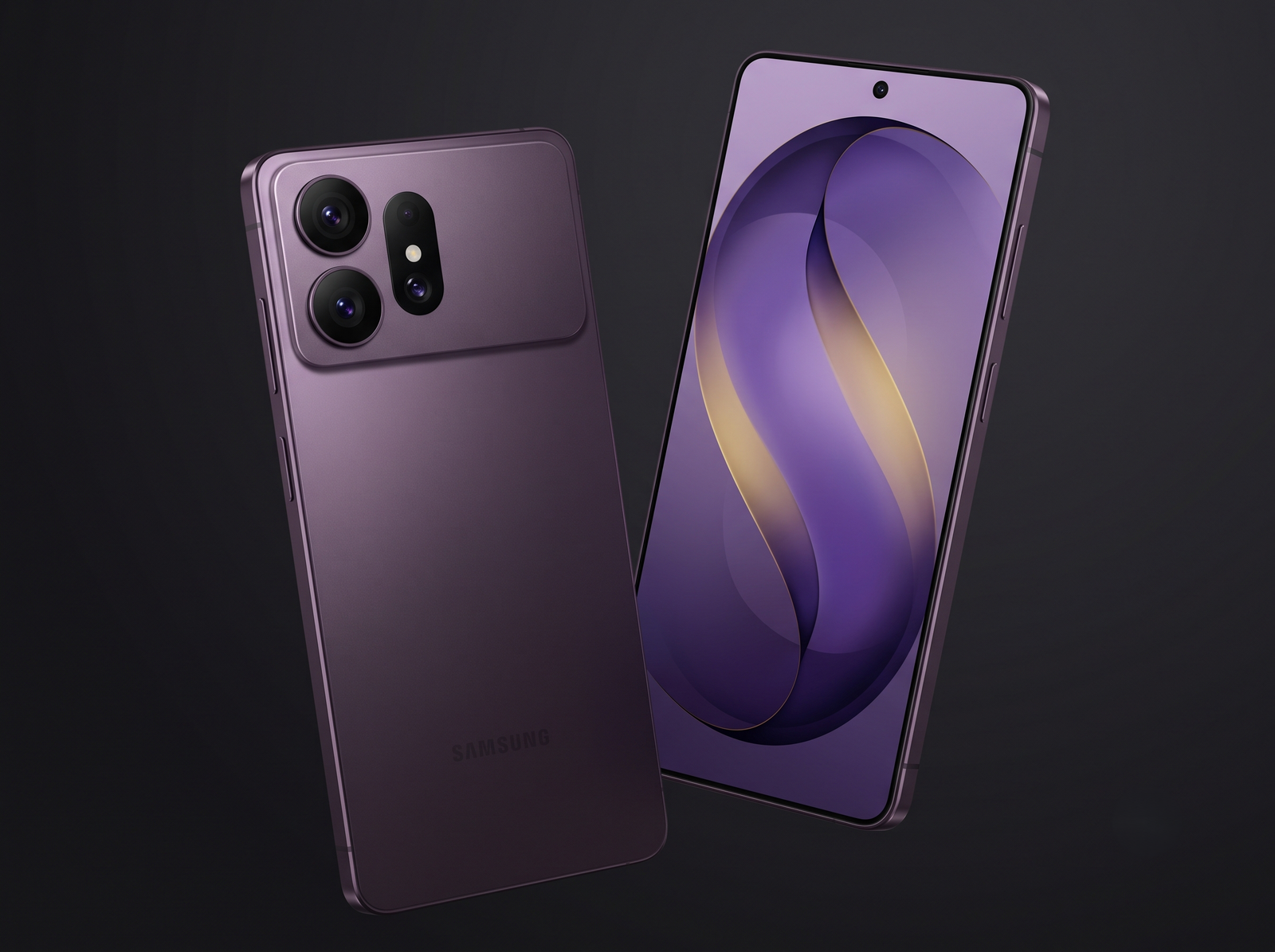
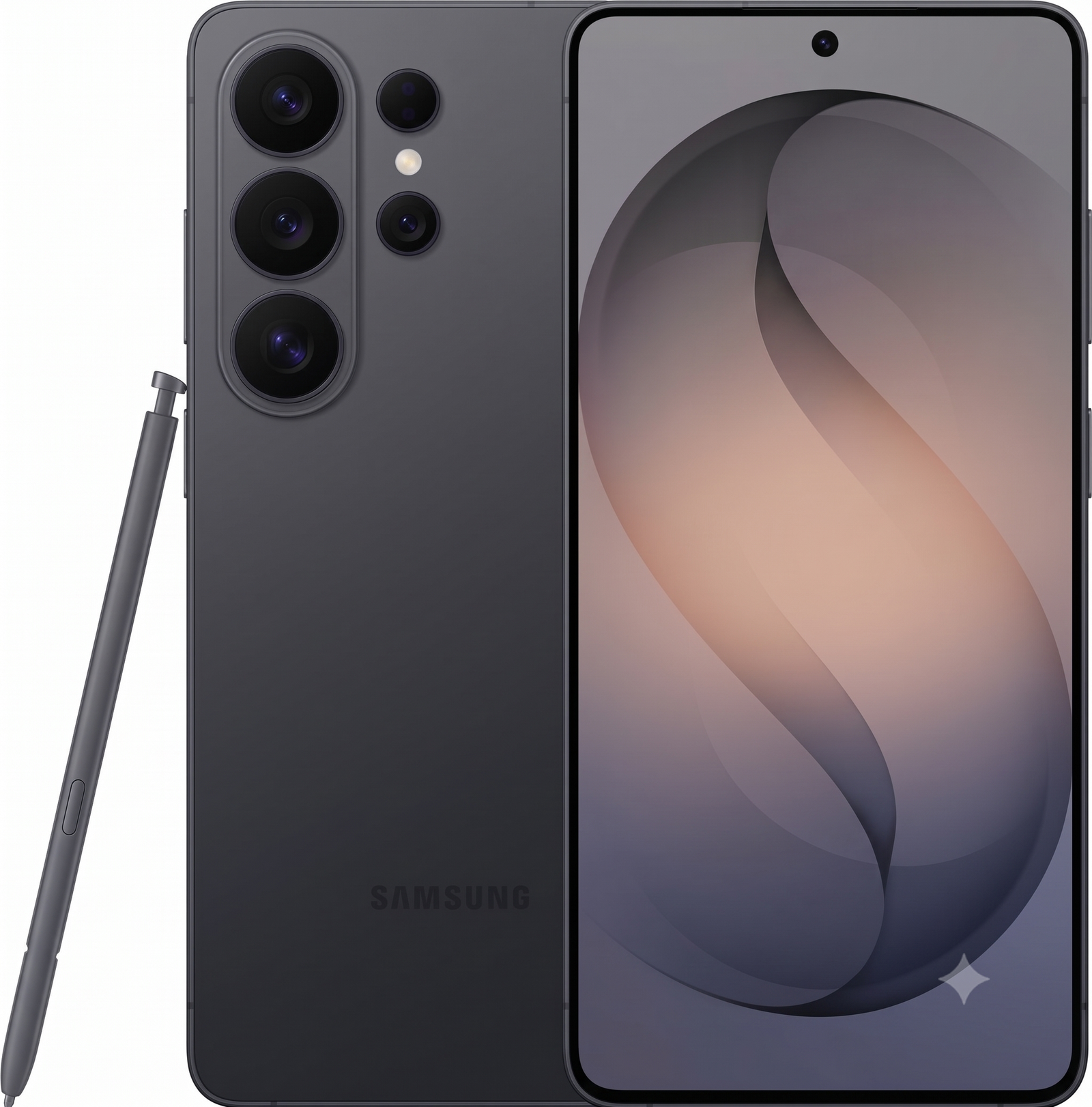
| Primary Target Device | Google Pixel 12 Series | Samsung Galaxy S27 Ultra |
| Core Advantage | Thermal Efficiency & On-Device AI | Multi-Core Raw Speed & 8K Video Rendering |
What This Means for 2027 Flagship Buyers
The 2027 Android silicon landscape promises to be the most competitive in a decade. If you prefer seamless, invisible AI integration that quietly optimizes your daily productivity, Google’s TSMC-backed Tensor G7 will make the Pixel 12 lineup an enticing upgrade.
On the other hand, if you demand sheer multi-core muscle for heavy mobile gaming and post-shot media editing, Samsung's 10-core Exynos 2700 is shaping up to be a formidable powerhouse that could finally eclipse Qualcomm in several key benchmarks.
To keep up with live deal updates on current flagships, visit our hub for the best phone deals in the USA, and stay tuned to the DevDuniya tech blogs for real-time benchmark leaks!