The Galaxy S27 Ultra "Overheating" Drama Just Got Complicated
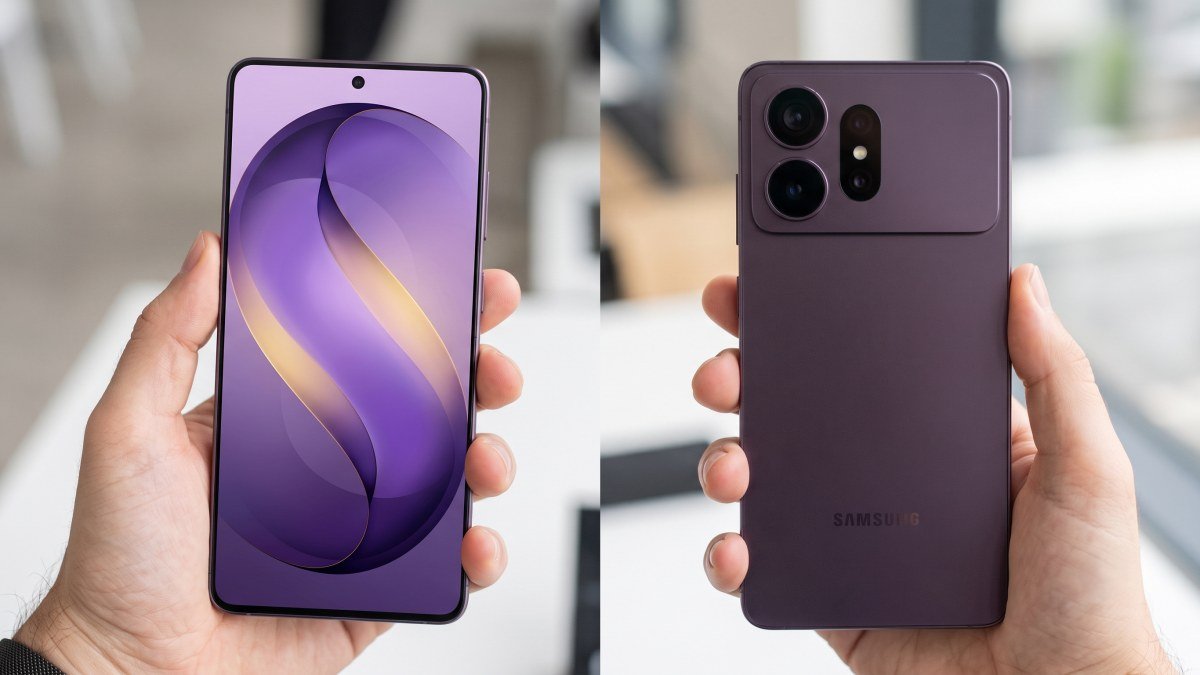
If you are a US tech enthusiast patiently waiting to upgrade to the upcoming Samsung Galaxy S27 Ultra, the last few days have likely been incredibly stressful. The smartphone community was thrown into a panic following reports that Qualcomm’s highly anticipated Snapdragon 8 Elite Extreme Gen 6 chip was suffering from severe overheating and thermal throttling. The report suggested that Samsung was actively considering forcing its in-house Exynos processor on global buyers to bypass the issue.
However, breaking news just dropped that completely flips the narrative. Qualcomm is not staying silent, and they are officially fighting back against the leaks while new benchmark data paints a highly competitive picture.
Qualcomm’s Official Denial: "100% NOT Accurate"
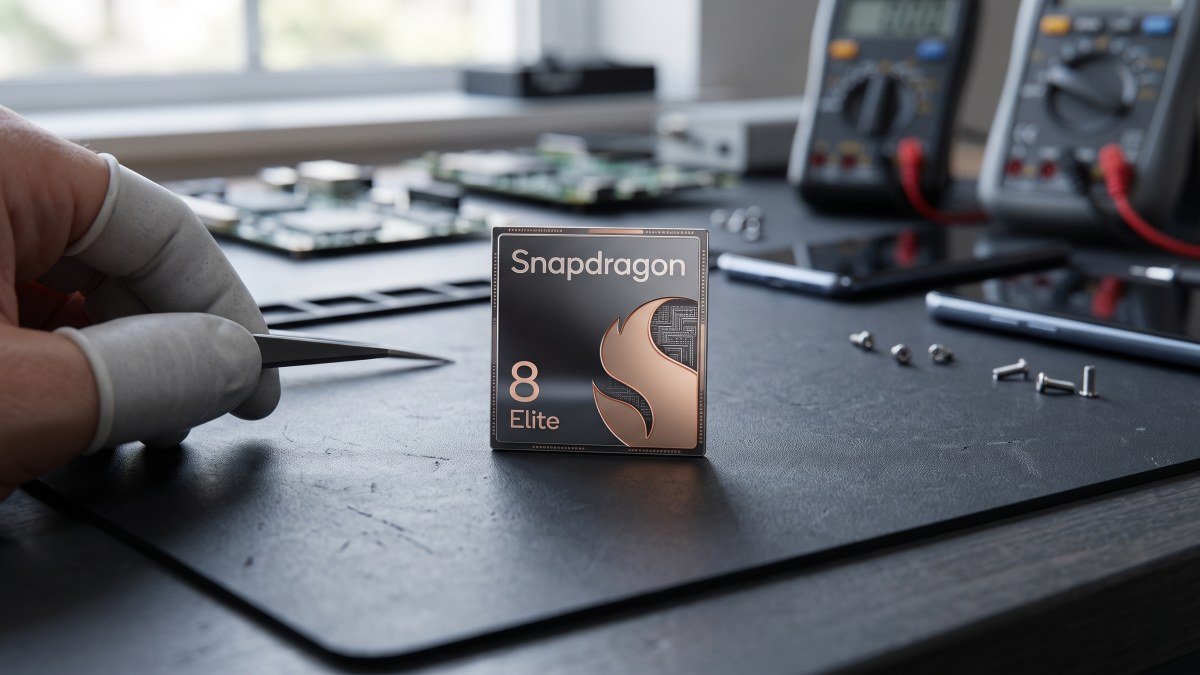
In a highly unusual move for a major semiconductor company, Qualcomm’s executives are publicly addressing supply chain rumors. Don McGuire, Qualcomm's Executive Vice President and Chief Marketing Officer, took to social media to explicitly deny the claims that their premium chip is struggling with thermal management.
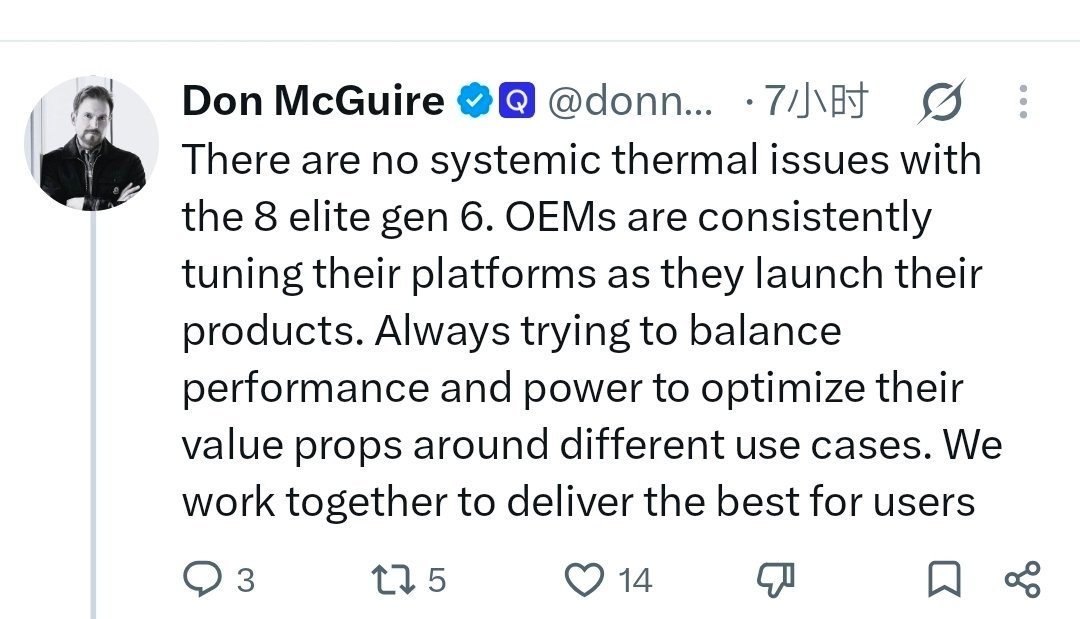
Responding directly to the coverage surrounding the alleged heating problems, McGuire delivered a blunt pushback, labeling the claims as completely inaccurate. He further clarified the situation, stating that there are "no systemic thermal issues with the 8 elite gen 6".
According to McGuire, what leakers might perceive as abnormal heating is simply standard device engineering. In the final stages of development, manufacturers routinely recalibrate clock speeds, thermal throttling profiles, and power draw to find the perfect balance between peak speed and battery longevity. This standard pre-launch tuning was seemingly misinterpreted by early observers as a fundamental flaw in the silicon.
By the Numbers: Exynos 2700 vs Snapdragon 8 Elite Extreme
The reason the overheating rumor gained so much traction is because it was coupled with a shocking claim: Samsung’s in-house Exynos 2700 was reportedly outperforming the Snapdragon chip in early internal tests. To understand why this is causing such a stir, you have to look at the leaked performance data side-by-step.
| Feature / Metric | Exynos 2700 (Leaked) | Snapdragon 8 Elite Extreme (Leaked) |
|---|---|---|
| Manufacturing Node | Samsung 2nm (SF2P) | TSMC 3nm / 2nm |
| Geekbench Multi-Core Score | ~10% Higher | Baseline Reference |
| Estimated Power Draw (Daily Use) | 161mA | 185mA |
| Thermal Profile Status | Stable in early testing | Undergoing heavy OEM tuning |
Historically, the Exynos processor has trailed behind the Snapdragon in both raw power and sustained thermal efficiency. However, the Exynos 2700 is being built on Samsung Foundry's cutting-edge, second-generation 2nm process (SF2P). The initial internal tests have shown incredibly encouraging results, scoring notably higher in multi-core processing while demanding less sustained power draw.
While these figures are internal and not independent retail-device benchmarks, they presented a terrifying scenario for Snapdragon loyalists: Samsung had a legitimate, highly capable backup plan ready to deploy if Qualcomm failed to meet their thermal targets.
Will US Buyers Get Stuck With Exynos?
For buyers in the United States, the processor inside the Samsung Galaxy S-series is a highly emotional topic. The US market has historically enjoyed the superior Snapdragon variants, avoiding the battery drain issues associated with older Exynos models. The thought of paying well over $1,200 for an Exynos-powered phone is a massive point of anxiety for American consumers.
So, will Samsung actually make the switch? With Qualcomm officially rejecting the overheating claims, the immediate threat of a forced, global Exynos rollout seems to be diminishing. There is currently no confirmed evidence that the Snapdragon chip has failed Samsung's internal performance requirements.
However, Samsung has a long history of splitting chipsets by region to reduce reliance on expensive Qualcomm hardware and boost their own semiconductor revenue. While the US will likely retain the Snapdragon 8 Elite Extreme Gen 6, other regions might still receive the Exynos 2700. Until Samsung officially announces the final chipset as mass production ramps up, the Galaxy S27 Ultra processor remains an open question.