Google Pixel 12 and the Tensor G7 RAM Upgrade: A True Flagship Experience
Google’s Pixel smartphones have always been celebrated for their phenomenal cameras and clean software, but power users have frequently criticized their internal hardware. For years, the custom Tensor processors, manufactured by Samsung, have struggled with thermal throttling, subpar battery life, and weak cellular connectivity. However, the narrative is about to completely flip with the upcoming 2027 release of the Google Pixel 12.
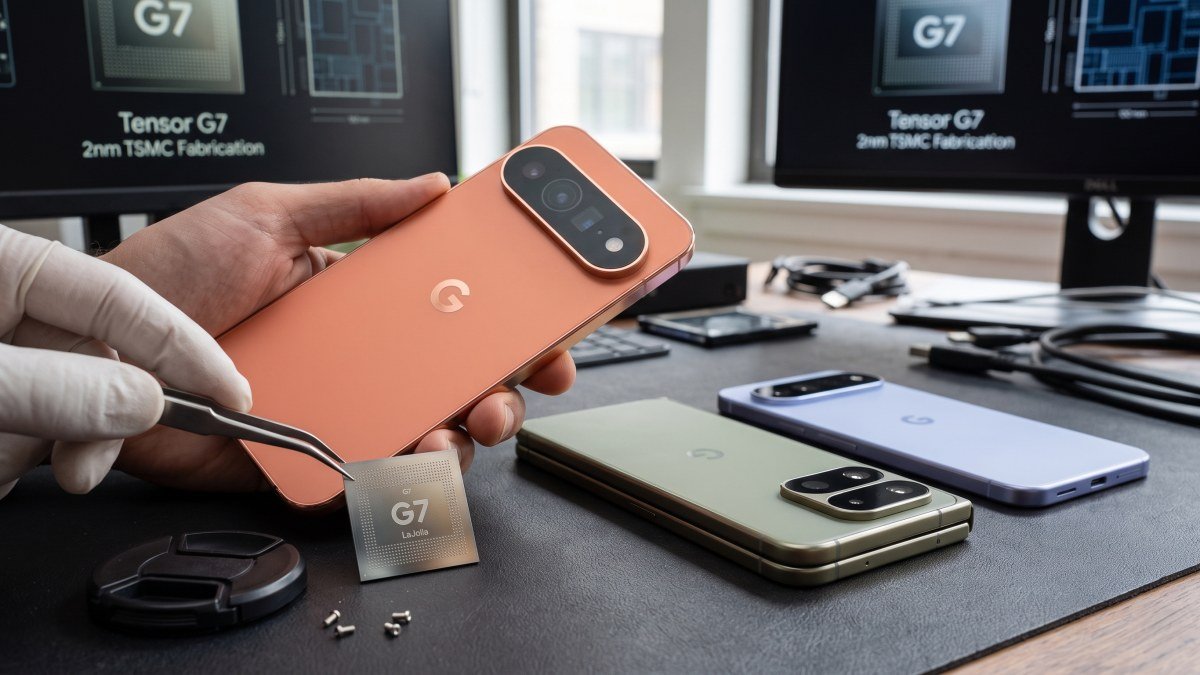
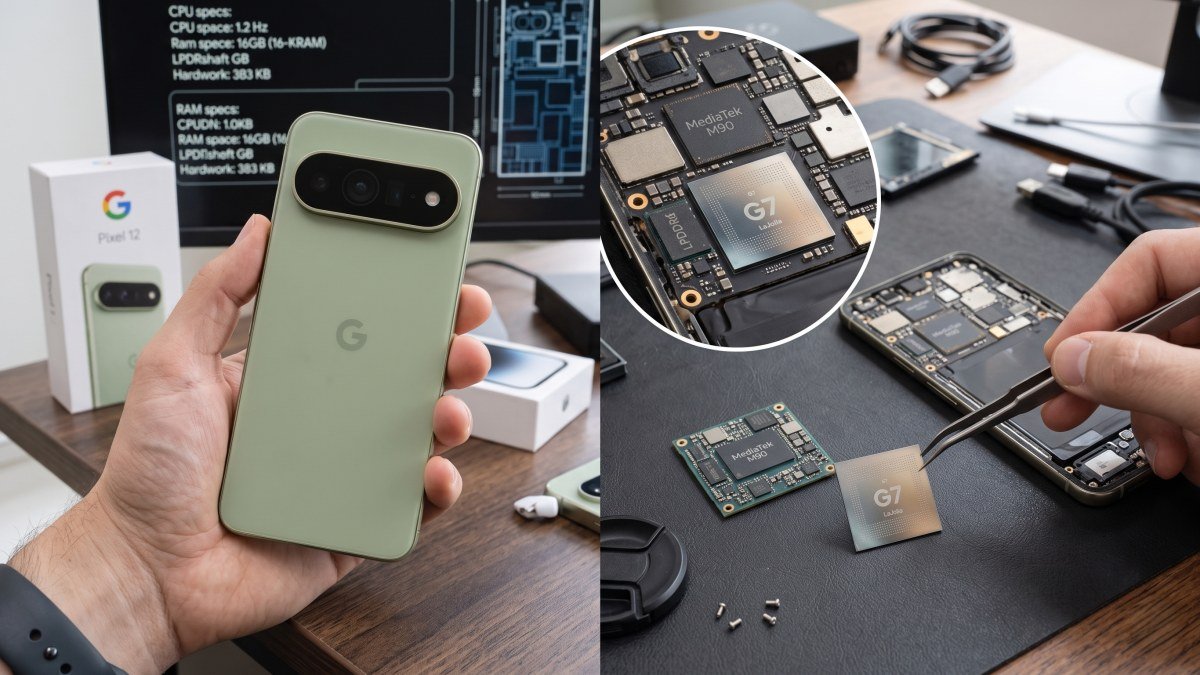
Fresh supply chain leaks have begun to outline the specifications for the highly anticipated Tensor G7 processor (internally codenamed "LaJolla"). The details point to a massive, foundational overhaul of Google's mobile hardware strategy. From a complete change in manufacturing partners to the integration of next-generation LPDDR6 RAM, the Pixel 12 is shaping up to be the no-compromise flagship Android users have been begging for.
Here is a deep dive into the latest leaks surrounding the Google Pixel 12 release date, Tensor G7 specs, LPDDR6 memory integration, and the crucial modem swap that will finally fix those frustrating network drops.
The TSMC 2nm Revolution: Leaving Samsung Behind
Since the introduction of the first Tensor chip in the Pixel 6, Google has partnered with Samsung Foundry for manufacturing. While this allowed Google to build custom AI-focused silicon, Samsung’s fabrication nodes have historically lagged behind industry leader TSMC in terms of raw power efficiency and thermal management. This is why older Pixels often ran hot under heavy load.
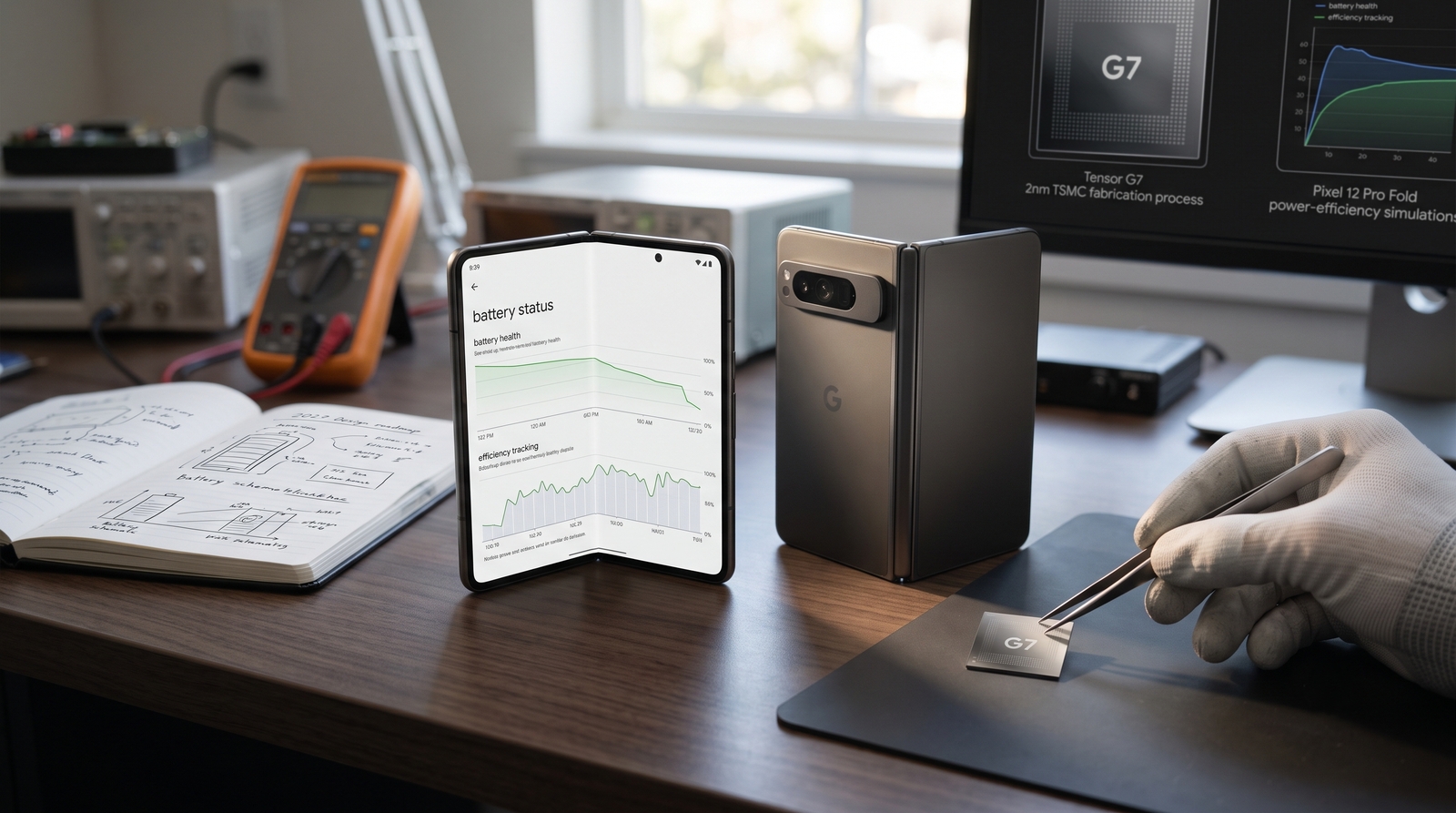
According to comprehensive leaks from BigGo Finance and Techora, Google is severing ties with Samsung for the Tensor G7. Production is moving entirely to TSMC’s cutting-edge 2nm process node. This is a monumental shift. A 2nm architecture packs transistors incredibly tight, drastically reducing the electrical voltage required to push signals across the chip.
The result? The Tensor G7 will be significantly faster than its predecessors while drawing substantially less power. This fundamental physical upgrade is the key to solving the Pixel series' historical overheating issues, ensuring the device remains cool even when processing heavy Gemini AI tasks or running demanding mobile games.
Next-Gen Memory: The Leap to LPDDR6 RAM
To support the massive AI ambitions of the Google Pixel 12, the processor needs to be paired with incredibly fast memory. Leaks indicate that the Tensor G7 will officially support the brand-new LPDDR6 RAM standard.
Current flagship smartphones (including the Pixel 11) utilize LPDDR5X RAM. While fast, LPDDR6 represents a generational leap in memory bandwidth. This increased bandwidth is absolutely critical for on-device Artificial Intelligence.
When you ask Gemini a complex question or use Magic Eraser to edit a massive 48MP photo, the processor needs to quickly move vast amounts of data in and out of the RAM. LPDDR6 ensures there is zero bottleneck in this data transfer. It allows the Pixel 12 to run complex AI models locally on the device instantly, rather than pausing to communicate with external cloud servers. It guarantees a buttery-smooth, instantaneous user experience that simply wasn't possible on older memory standards.
The Connectivity Fix: Enter the MediaTek M90 Modem
Perhaps the most celebrated leak among long-time Pixel fans is a crucial change to the phone's networking hardware. For years, Google paired its Tensor chips with Samsung Exynos modems. These modems were notorious for weak signal strength, sudden network drops, and severe battery drain when the phone struggled to find a reliable 5G tower.
According to early reports, Google is completely abandoning Samsung modems for the Pixel 12. Instead, the Tensor G7 platform is expected to integrate the MediaTek M90 modem. MediaTek has established a reputation for building incredibly stable, highly efficient 5G networking hardware. This swap is the silver bullet needed to finally resolve the Pixel series' connectivity woes, ensuring rock-solid call quality and reliable high-speed data without burning through your battery life.
What to Expect: Spec Showdown
To fully understand the magnitude of these leaked upgrades, here is how the rumored Tensor G7 "LaJolla" compares to the current generation:
| Specification | Tensor G6 (Current Pixel 11) | Tensor G7 "LaJolla" (Leaked Pixel 12) |
|---|---|---|
| Manufacturing Node | TSMC 3nm (Reported) | TSMC 2nm |
| RAM Support | LPDDR5X | LPDDR6 |
| Modem | Samsung Exynos | MediaTek M90 |
| Thermal Profile | Improved | Highly Efficient / Low Heat |
| Expected Release | Currently Available | August 2027 |
The Final Verdict: Is It Worth the Wait?
If you are currently holding onto a Pixel 8 or Pixel 9 and wondering when to make your next major smartphone investment, the August 2027 launch window for the Pixel 12 is the date to mark on your calendar.
The combination of TSMC's 2nm efficiency, the blazing speed of LPDDR6 RAM, and the proven stability of the MediaTek M90 modem addresses every single major complaint power users have had with the Pixel lineup. By fixing the foundational hardware, Google is finally building a phone that can flawlessly execute its world-class software and AI ambitions. The Google Pixel 12 release date, Tensor G7 specs, and LPDDR6 integration make this the most exciting Android upgrade of the decade.