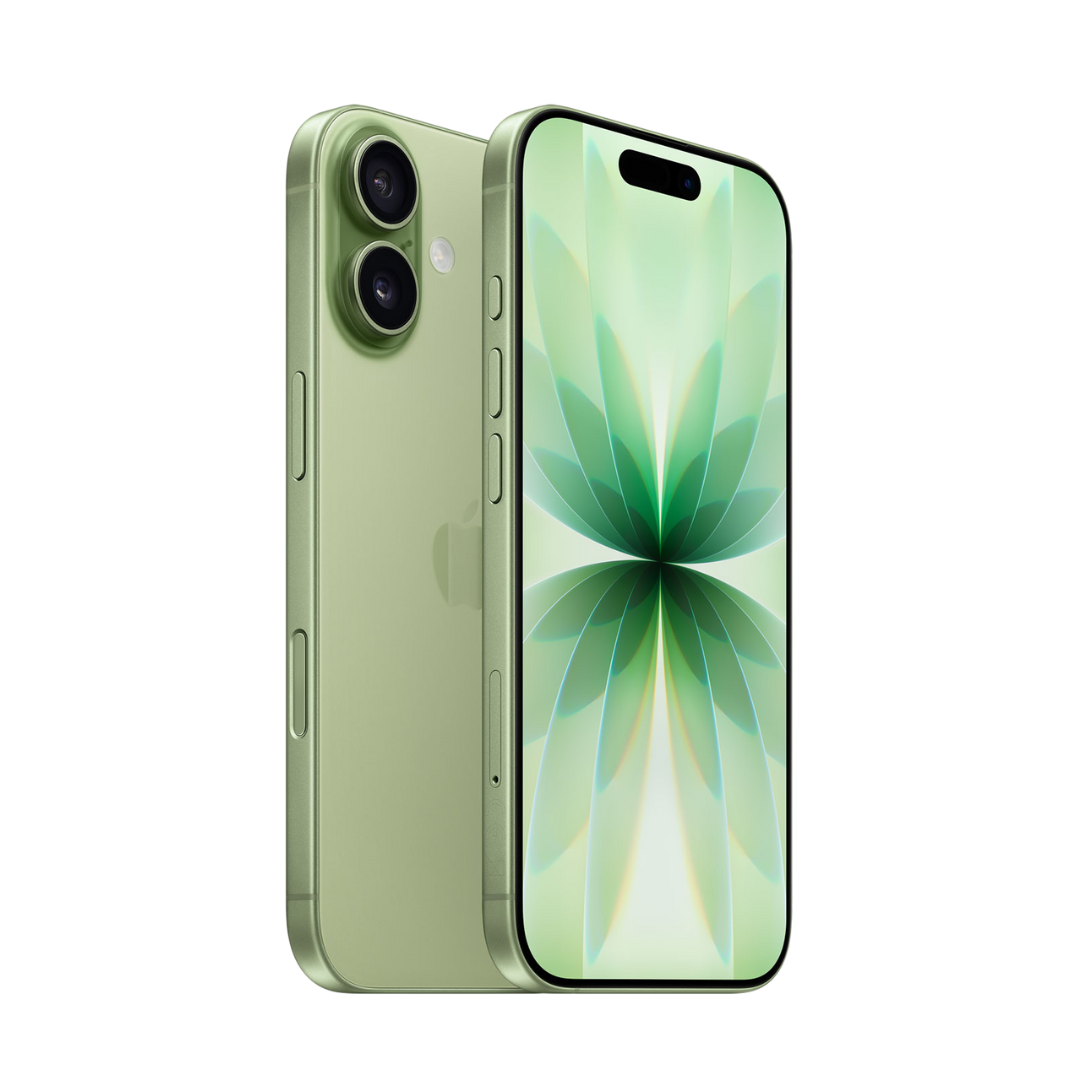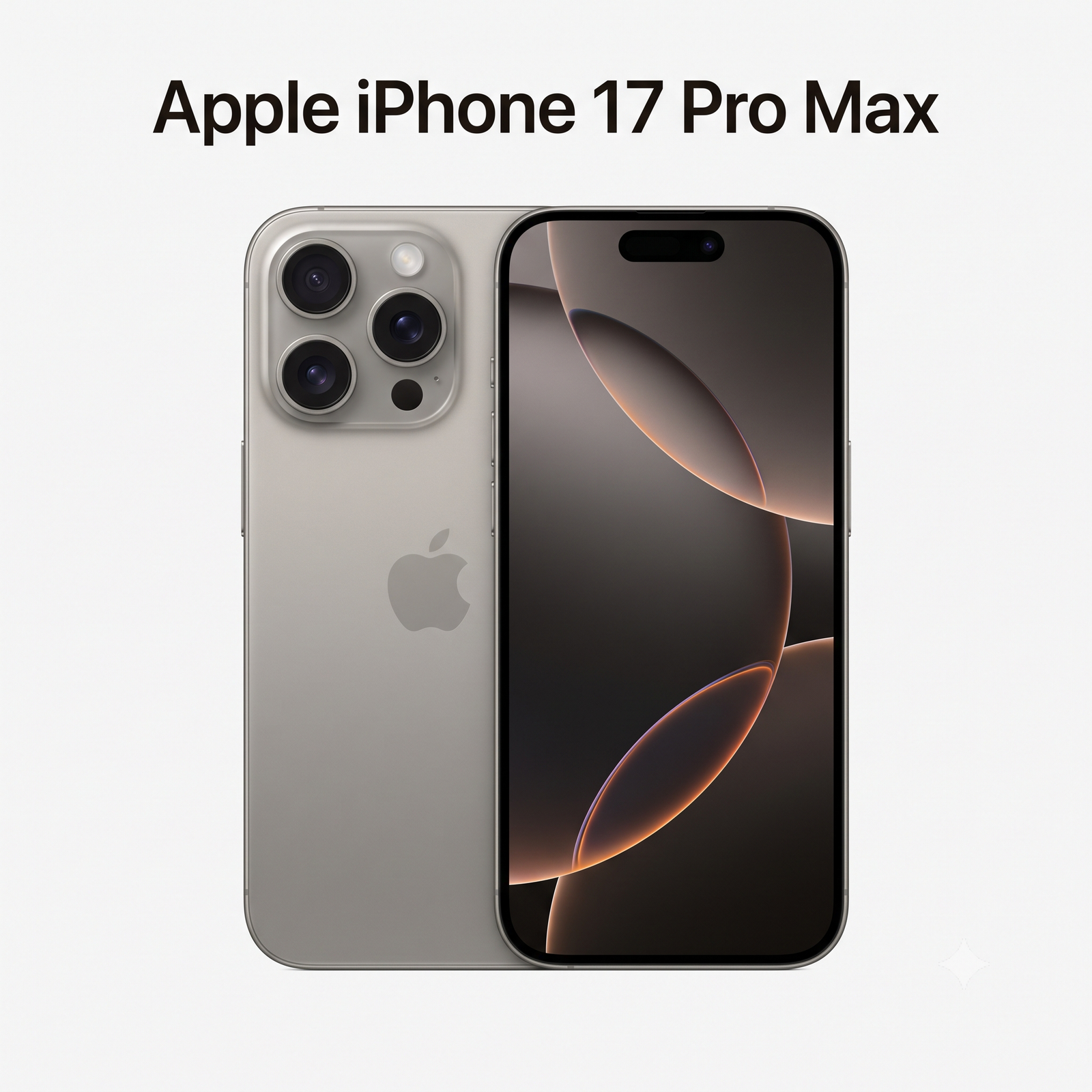
iPhone 18 Pro Variable Aperture Camera Explained: How to Take Professional Low-Light Photos
For years, smartphone manufacturers have relied heavily on "computational photography" to improve image quality. Software algorithms, frame stacking, and artificial intelligence have traditionally done the heavy lifting to compensate for the tiny physical sensors housed inside incredibly thin devices. However, with the release of the Apple iPhone 18 Pro, the mobile industry is experiencing a massive, highly anticipated shift back to the roots of traditional optical physics.
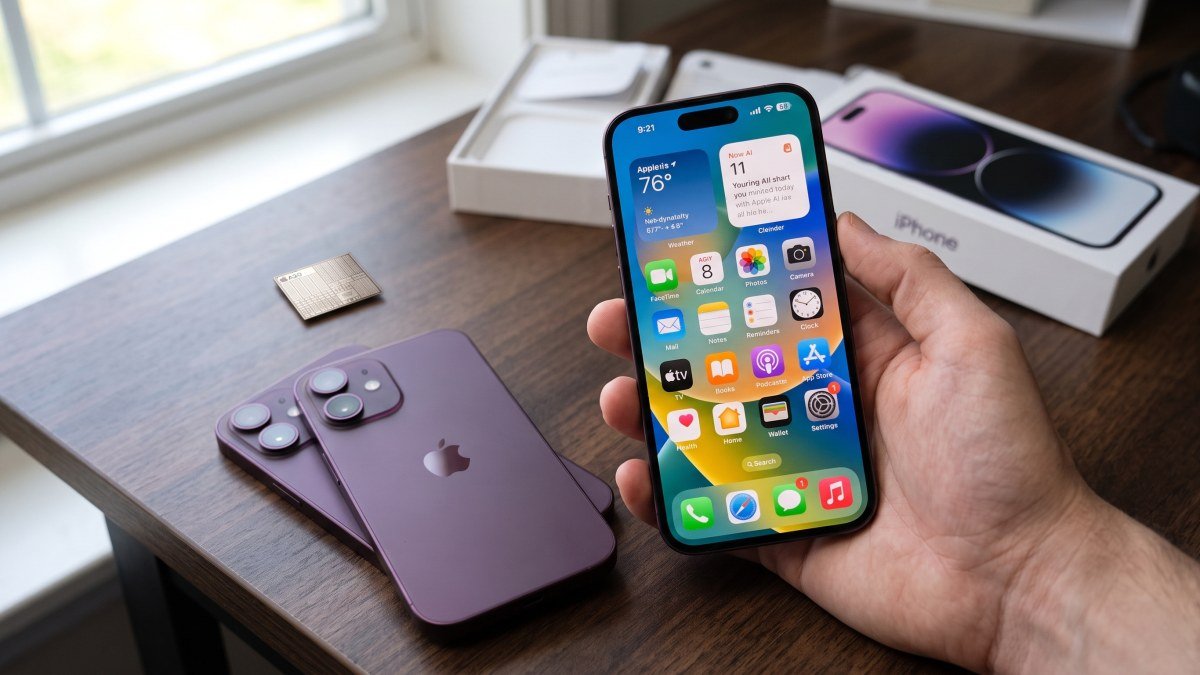
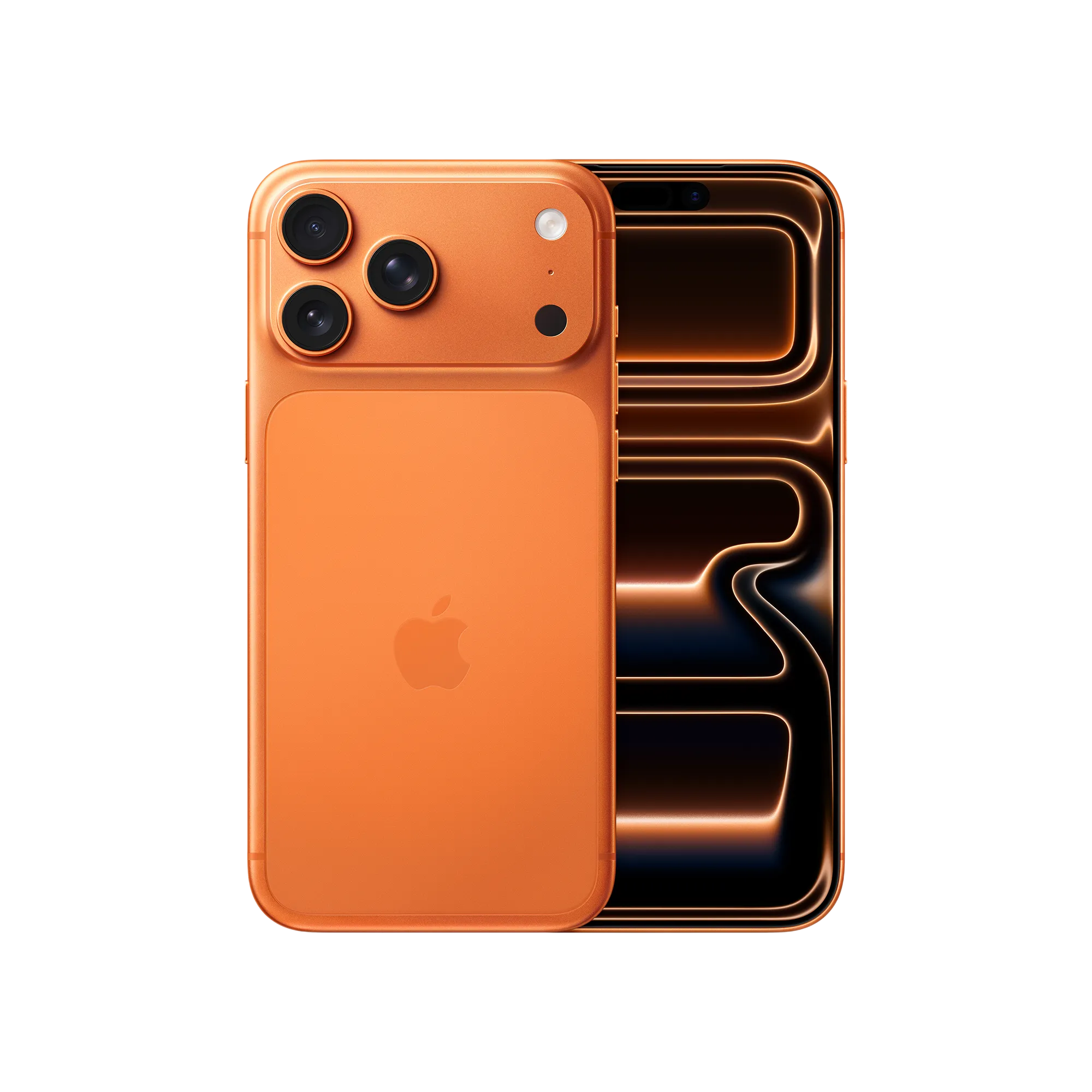
At the heart of the new $1,099 flagship is a groundbreaking 48MP Fusion Main camera featuring Apple's first-ever mechanical variable aperture system. If you are an average consumer, that might just sound like technical marketing jargon. But if you are someone who actively struggles with blurry, grainy, or poorly lit nighttime photos, this physical hardware change is the most significant upgrade Apple has delivered in a decade.
Before you invest your hard-earned money in the iPhone 18 Pro or Pro Max, it is crucial to understand what this technology actually does. Here is a complete deep dive into how the variable aperture camera works, the science behind the six-blade mechanism, and how it drastically improves professional low-light photography during real-world testing.
What is a Variable Aperture and How Does It Work?
To fully grasp the power of the new iPhone 18 Pro camera, you have to understand how light enters a lens. The "aperture" is the physical opening that allows ambient light to hit the digital image sensor. It is measured in "f-stops" — the lower the f-stop number, the wider the physical opening, and the more light is allowed inside the lens barrel.
Historically, iPhones (and almost all premium smartphones) have featured "fixed" apertures. For example, the previous iPhone 17 Pro was permanently locked at a fixed f/1.78 opening. To make the iPhone 18 Pro better in the dark without increasing the physical size of the phone's camera bump or utilizing a massive new sensor, Apple's engineering team widened the maximum aperture to an incredibly fast f/1.48.
However, shooting at f/1.48 all the time presents a distinct optical problem: while it lets in massive amounts of light, it also creates an incredibly shallow depth of field (meaning only the exact subject is in focus, while everything in front and behind it is heavily blurred). If you are trying to take a group photo or a sweeping landscape, being permanently locked at f/1.48 is actually a massive detriment.
To solve this, Apple engineered a mechanical variable aperture. Nestled deep inside the 48MP Fusion Main camera are six microscopic, laser-cut blades. These physical blades can seamlessly slide open and closed, transitioning smoothly between four distinct optical settings: f/1.48, f/1.8, f/2.8, and f/4.0. This stepless mechanism gives the iPhone 18 Pro the physical flexibility of a dedicated DSLR or mirrorless camera, granting true optical control over light and depth of field rather than relying entirely on computational processing.
The Low-Light Advantage: Seeing in the Dark
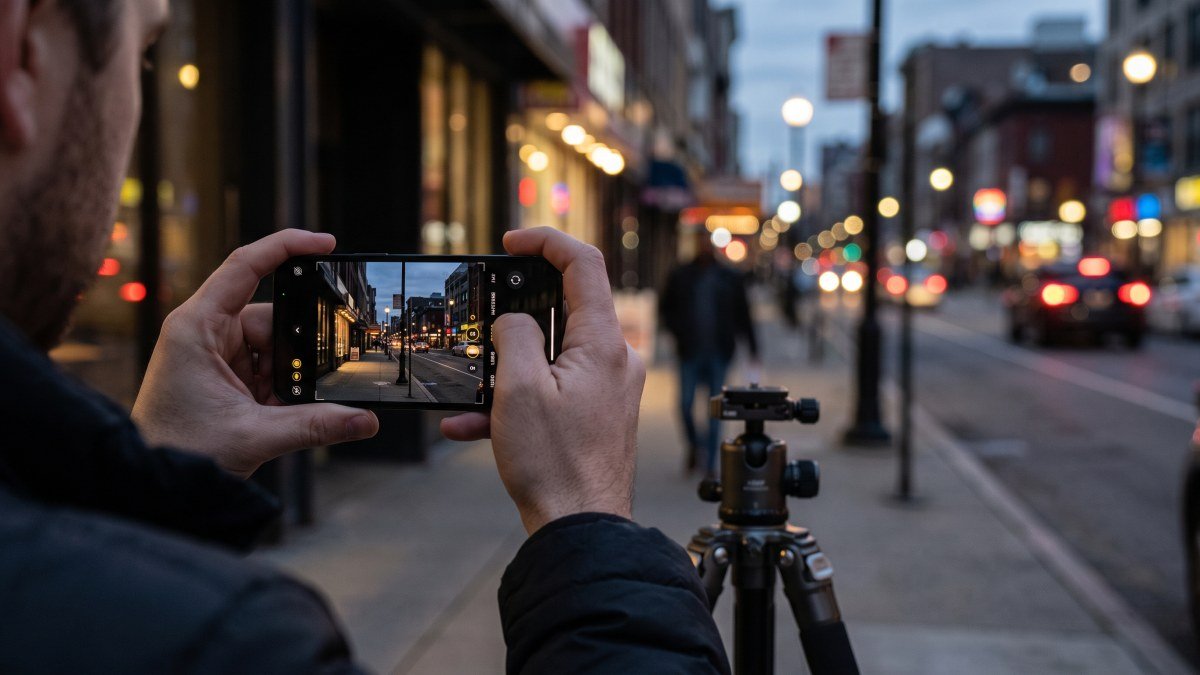
When executing an iPhone 18 Pro variable aperture camera low light test in challenging environments, the benefits of the physical blades become immediately apparent.
In a dimly lit restaurant or on a dark city street, the iPhone 18 Pro's camera software will automatically snap the mechanical blades wide open to the f/1.48 setting. This massive optical opening pulls in significantly more raw ambient light than any previous Apple device. Because more actual light is hitting the sensor, the camera does not have to artificially boost the ISO (which introduces ugly digital grain) or rely on unnaturally long exposure times that result in motion blur.
According to independent testing by DxOMark, the iPhone 18 Pro is currently one of the strongest-performing devices overall in low-light conditions. Their laboratory tests confirmed that images retain a wide dynamic range, pleasant color rendering, and sharp details on faces and hair even in sub-100 lux lighting scenarios. Because the f/1.48 aperture physically captures the light, the resulting image feels highly natural and cohesive, avoiding the overly aggressive, painted-on look that often plagues AI-enhanced night modes.
Real-World Testing: The "Manual Shutter" Catch
Apple has also introduced new "Pro Controls," allowing advanced users to manually select their desired aperture right from the native camera interface. However, real-world low-light testing has uncovered a crucial operational detail that photographers need to be keenly aware of.
When shooting in dark environments, the iPhone naturally utilizes "frame stacking"—capturing multiple images of varying exposures in a split second and instantly blending them together to reduce noise and enhance shadows. According to extensive low-light testing by DPReview, manually adjusting the physical aperture does not disrupt this process; the phone will continue to computationally stack frames and deliver pristine, clean night shots.
However, if you dive into the Pro Controls and manually set your shutter speed, the iPhone 18 Pro immediately disables its computational frame stacking. It completely reverts to taking a single, unblended exposure. In low light, this results in significantly noisier and grainier photos. The takeaway for professional low-light photography is clear: let the iPhone handle the shutter speed automatically, but feel free to lock the aperture at f/1.48 to maximize your optical light intake.
Optical Bokeh vs. Fake Portrait Blur
Beyond stunning low-light performance, the variable aperture completely revolutionizes mobile portrait photography. For years, smartphone "Portrait Modes" have relied exclusively on software to artificially blur the background behind a subject. While the algorithms have improved, they frequently struggle with fine edge detection, accidentally blurring strands of hair or the edges of eyeglasses.
With the iPhone 18 Pro, you no longer have to rely on software trickery. By setting the mechanical aperture to f/1.48, the lens creates genuine, optical background blur (known as bokeh). Because this blur is generated by physical optics rather than a computer chip mapping a depth field, the transition from the in-focus subject to the out-of-focus background is flawlessly smooth and authentic.
Furthermore, the specific engineering choice to use exactly six laser-cut aperture blades was highly intentional. Apple found that six blades offered the perfect physical sweet spot for rendering out-of-focus areas. When the blades are closed down to f/4.0 in bright environments, they interact with the light to create distinct, visually pleasing "starburst" effects around light sources, perfectly mimicking the artistic flair of high-end cinematic lenses.
By the Numbers: Aperture Settings Explained
If you are upgrading to the iPhone 18 Pro, here is a quick cheat sheet on how to utilize the four mechanical aperture settings for professional-level results:
| Aperture Setting | Light Intake | Best Real-World Use Case |
|---|---|---|
| f/1.48 | Maximum | Extreme low-light photography, nighttime portraits, and achieving genuine optical background blur (bokeh). |
| f/1.8 | Balanced | General indoor lighting, overcast days, and everyday mixed-lighting photography. |
| f/2.8 | Moderate | Group photos and street photography where multiple subjects at different distances need to remain in sharp focus. |
| f/4.0 | Minimum | Bright, sunny outdoor landscapes and intentionally capturing cinematic "starburst" light effects. |
The Final Verdict: Is it Worth the Upgrade?
The integration of a variable aperture system is not just a flashy marketing gimmick; it is a fundamental evolution of mobile photography. By giving users real, physical control over exactly how light enters the camera housing, the iPhone 18 Pro successfully bridges the gap between a smartphone and a dedicated professional mirrorless camera.
If you exclusively take photos in bright, midday sunlight, you might not notice a massive difference over previous generations. But if you are tired of blurry concert photos, incredibly noisy dinner shots, and artificial-looking portrait blur, the iPhone 18 Pro's ability to mechanically open its "eye" to f/1.48 is an absolute game-changer. It represents the perfect marriage of raw optical physics and Apple's industry-leading computational prowess.