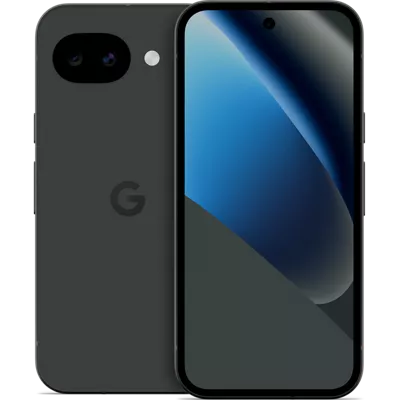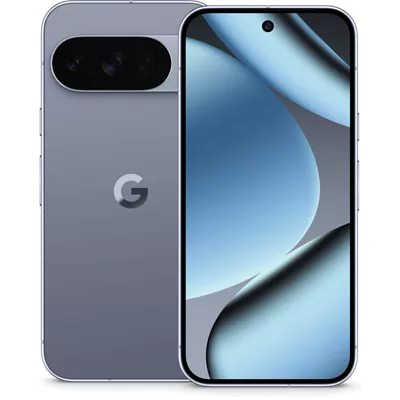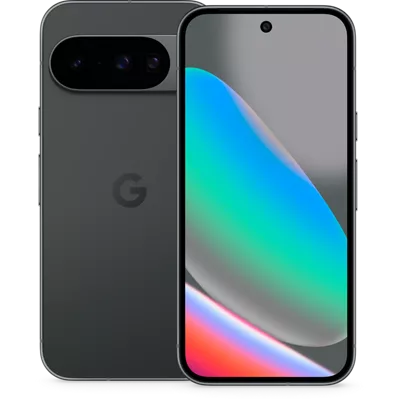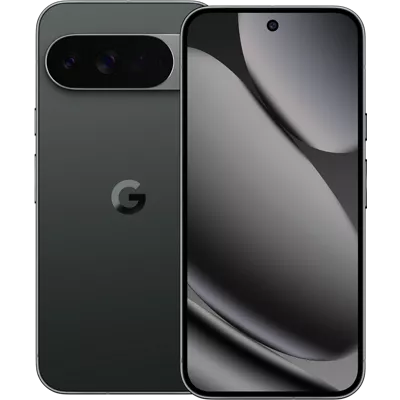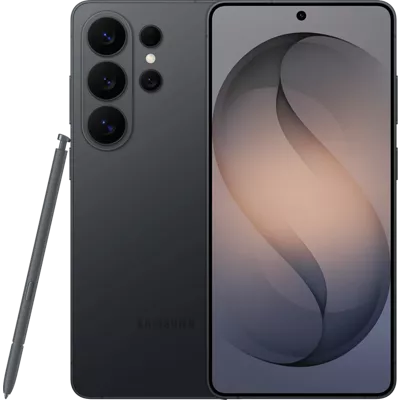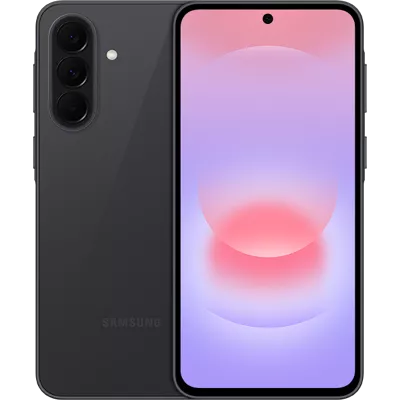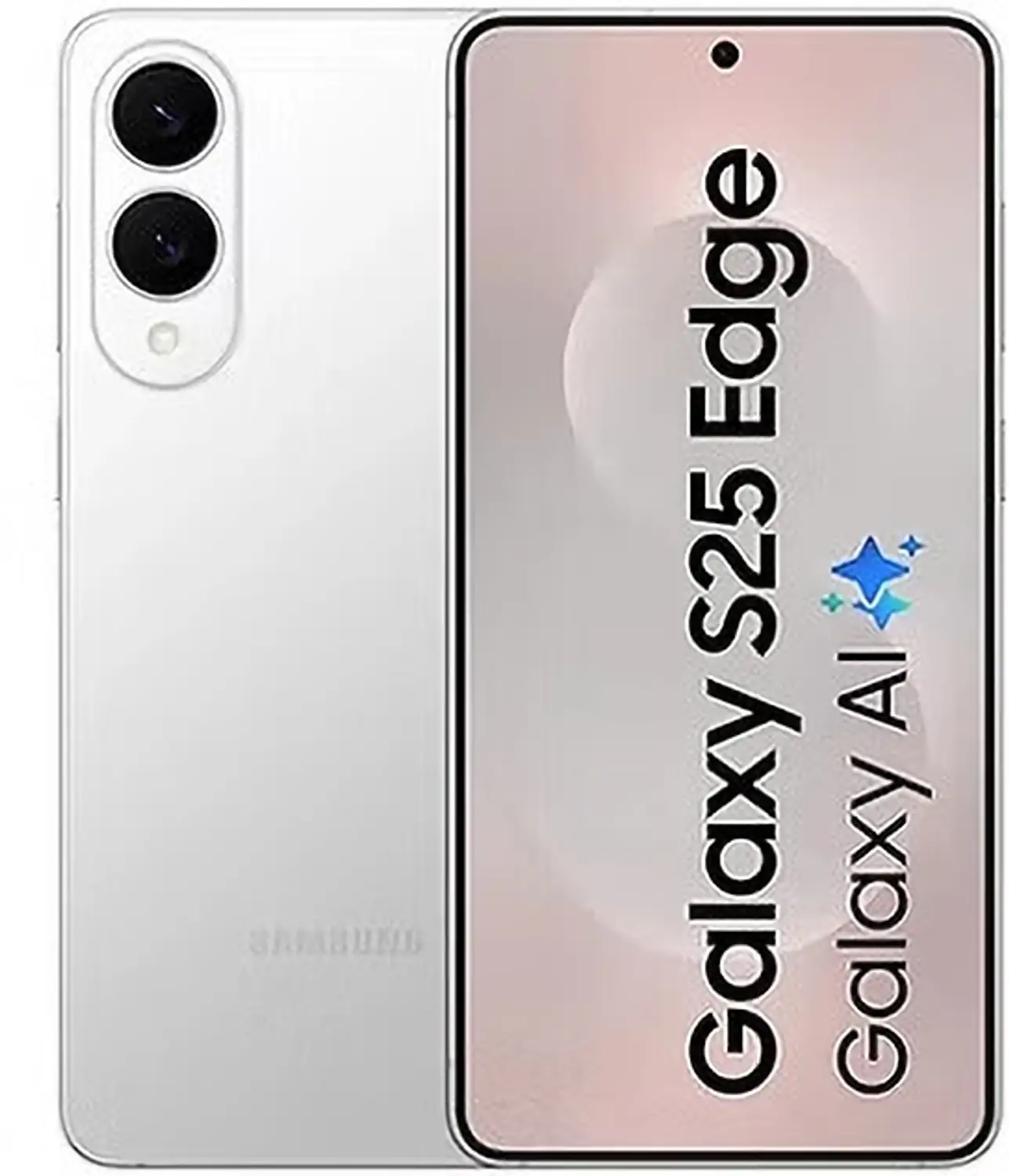
iPhone Air 2 vs Galaxy S27 Edge: The Ultra-Thin Design and Durability Specs Compared
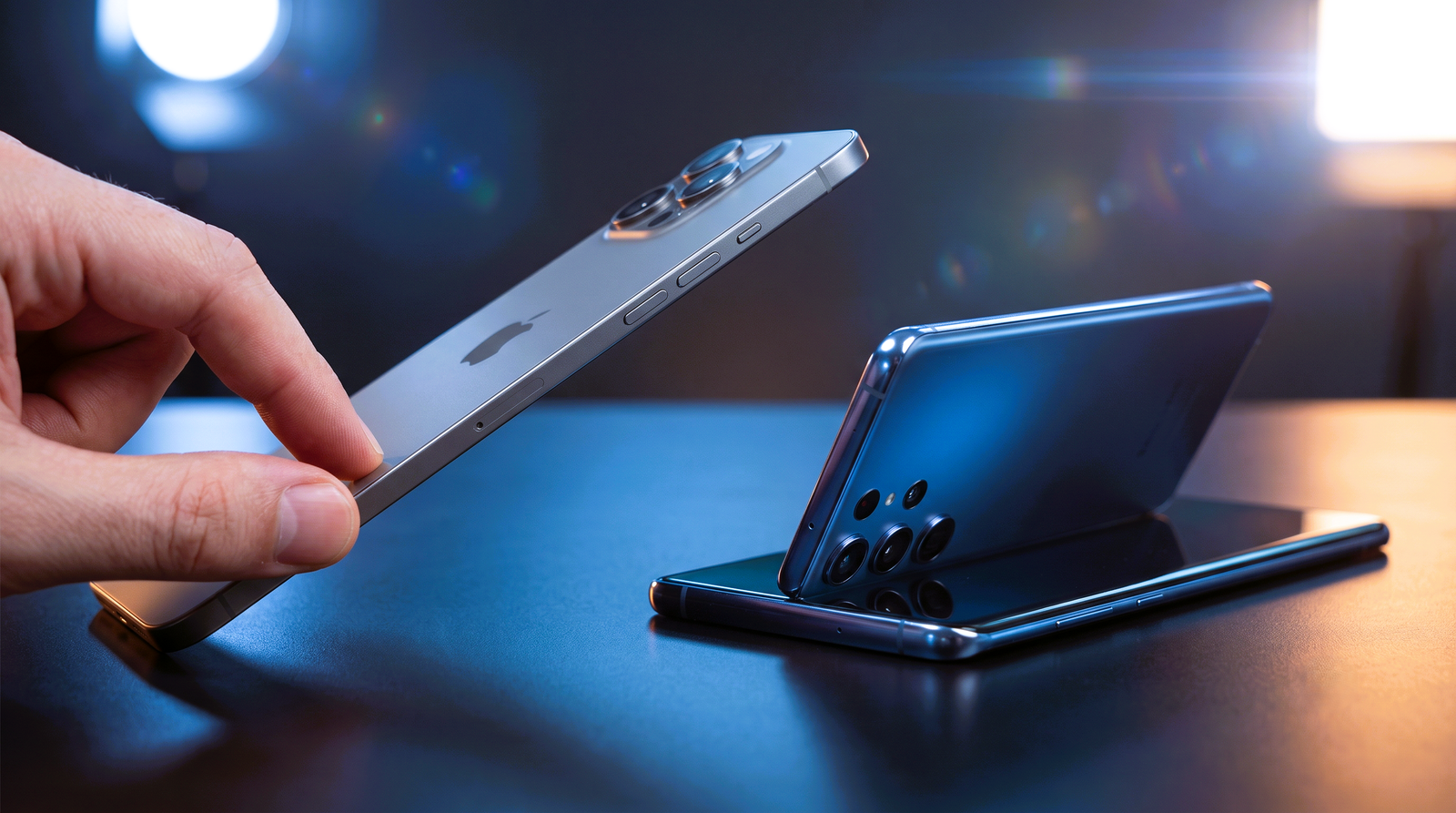
The smartphone industry in 2027 is officially obsessed with the ultra-thin form factor. After years of devices steadily growing thicker and heavier to accommodate massive camera modules and bloated batteries, the pendulum has aggressively swung in the opposite direction. Apple and Samsung are currently locked in a fierce engineering battle, preparing to launch the absolute thinnest premium smartphones the market has ever seen.
However, as hype builds around the highly anticipated iPhone Air 2 and the sleek Samsung Galaxy S27 Edge, US consumers share one massive, collective fear: "Bendgate." Anyone who owned an iPhone 6 Plus remembers the anxiety of sitting down with a thin phone in their back pocket, only to find the aluminum chassis permanently warped. When a device measures barely 5mm thick, the laws of physics dictate that it is inherently more susceptible to structural failure.
Can these new ultra-thin flagships actually survive the rigors of everyday life? To answer that, we have to look beneath the surface. In this comprehensive breakdown of the iPhone Air 2 vs Galaxy S27 Edge durability design specs, we are analyzing the leaked chassis materials, the structural integrity of the frames, and how both tech giants plan to keep your premium device from snapping in half.
The Physics of Thinness: Why Durability is Hard
Creating a durable, ultra-thin smartphone is an absolute nightmare for mechanical engineers. A smartphone's structural rigidity relies heavily on two components: the exterior metal frame and the internal motherboard. In standard flagship devices like the iPhone 18 Pro or the Samsung Galaxy S26 Ultra, there is enough internal volume to use thick slabs of aluminum or titanium to act as a supportive skeleton.
When you compress a device down to an incredibly thin profile, you remove that thick internal scaffolding. The device becomes essentially a delicate glass sandwich with a razor-thin metal perimeter. If you apply torsional pressure (like sitting on it or twisting it), the stress has nowhere to dissipate, leading to shattered glass or a bent frame. To solve this, Apple and Samsung are relying on radically different material sciences for their 2027 releases.
Apple's Approach: The Resin-Coated Copper Motherboard
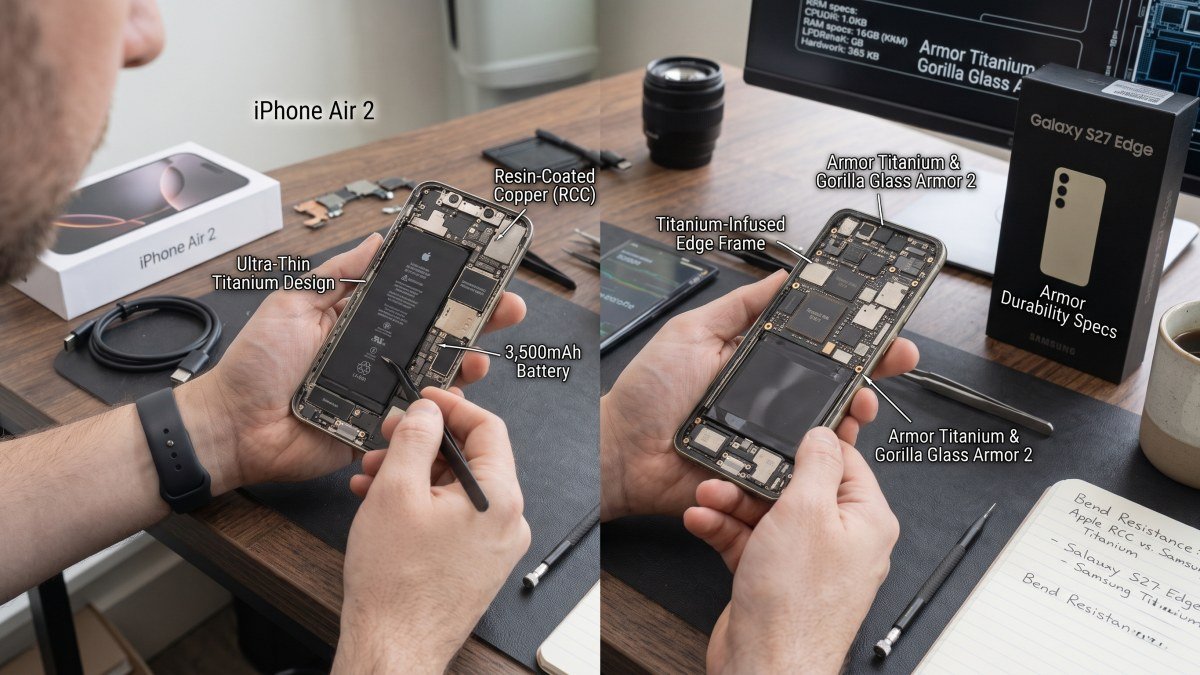
Apple’s primary strategy for the iPhone Air 2 revolves around completely rethinking the internal architecture to free up space for a stronger external skeleton. According to deep supply chain leaks, Apple is abandoning traditional fiberglass-based logic boards in favor of a revolutionary new component: the Resin-Coated Copper (RCC) motherboard.
Traditional motherboards are relatively thick because they require multiple layers of fiberglass to insulate the copper wiring. The new RCC technology utilizes a highly advanced, ultra-thin resin to insulate the copper instead. This dramatically shrinks the physical thickness of the motherboard. But how does a thinner motherboard improve durability?
By saving precious millimeters on the internal logic board, Apple's engineers can use that reclaimed space to reinforce the external chassis without increasing the overall thickness of the phone. The iPhone Air 2 is expected to utilize a highly reinforced, aerospace-grade titanium mid-frame. By pairing the space-saving RCC motherboard with a robust titanium skeleton, Apple is ensuring that the iPhone Air 2 possesses an incredibly high tensile strength, making it highly resistant to bending or warping under pressure.
Samsung's Approach: The Titanium-Infused Edge Frame
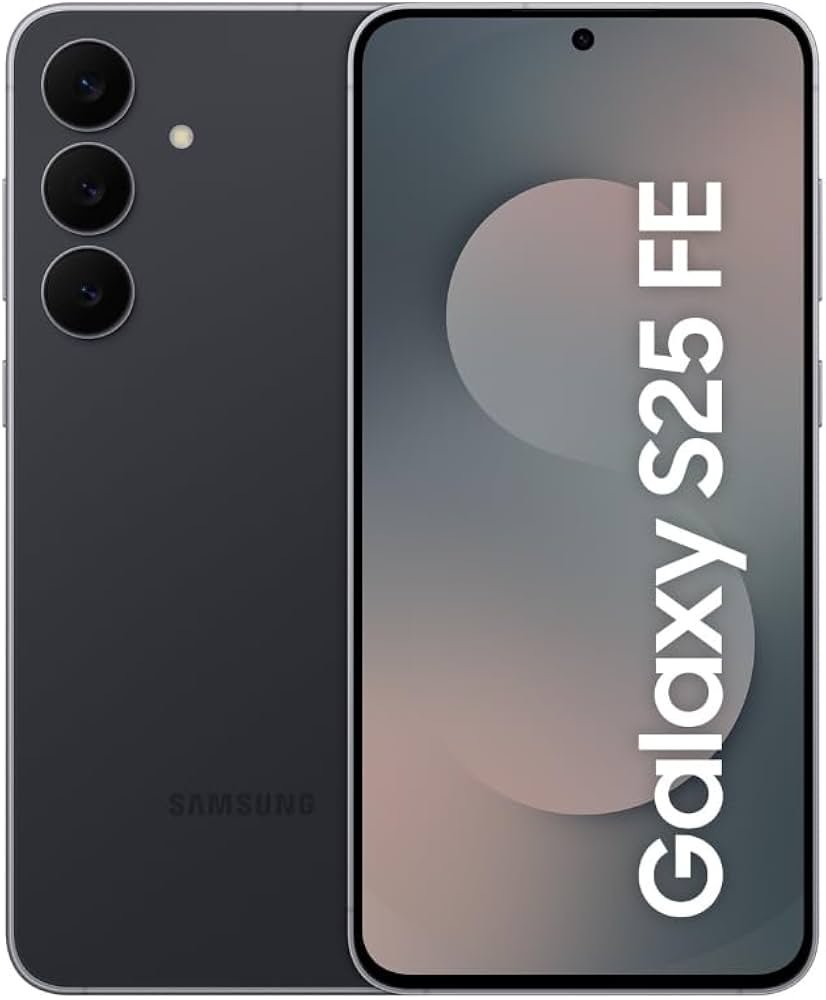
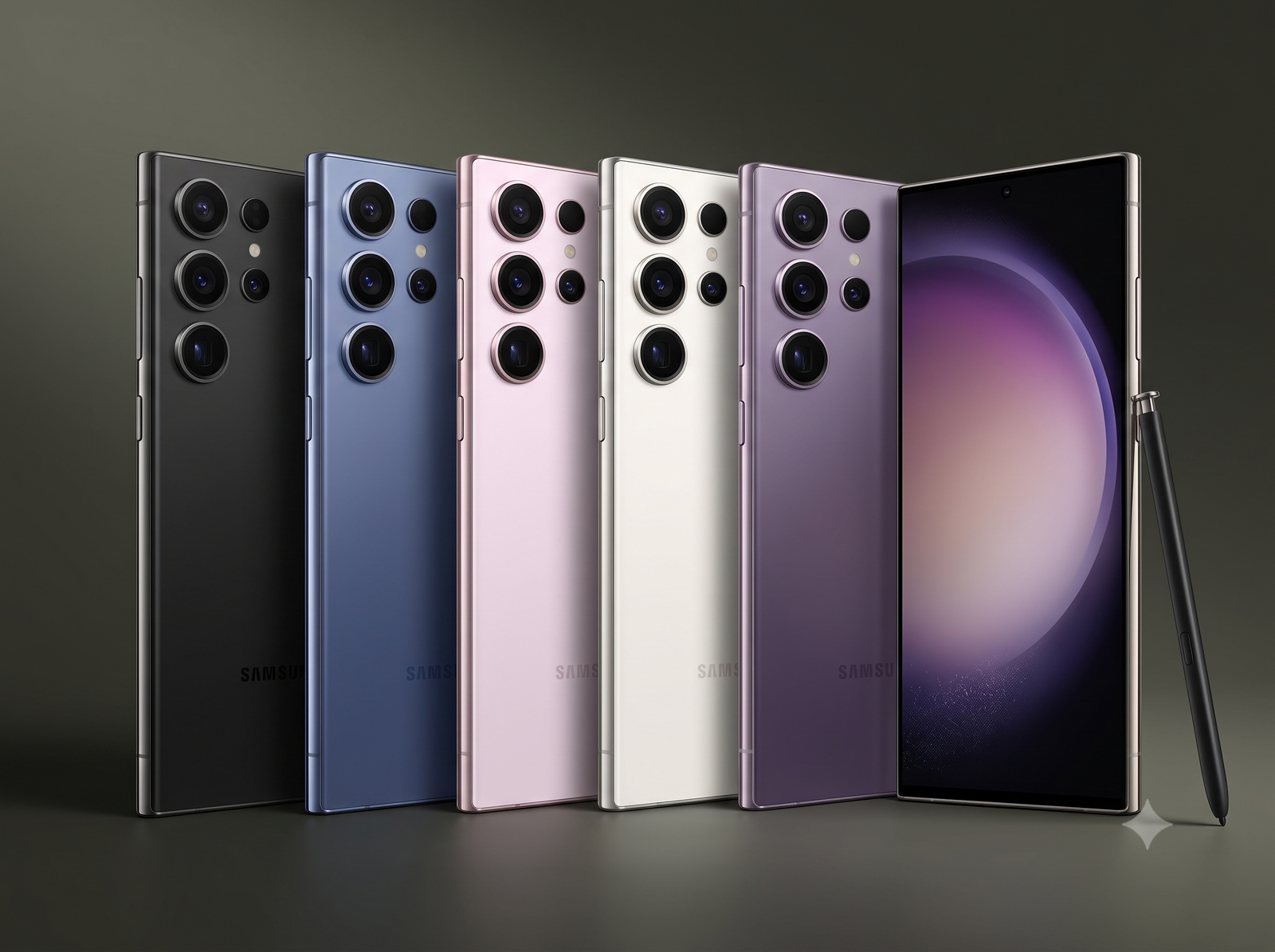
Samsung is taking a slightly different route with the Galaxy S27 Edge. While Apple is focused on internal space optimization, Samsung is focusing heavily on the metallurgical properties of the exterior chassis itself.
Historically, Samsung's "Edge" branded phones featured dramatic, cascading glass displays that melted over the sides of the device. While visually stunning, exposed curved glass is incredibly fragile. For the S27 Edge, Samsung is reportedly abandoning the cascading glass in favor of a flat display, flanked by a brand-new "Titanium-Infused Edge Frame."
Rather than using pure titanium (which can be difficult to machine and incredibly expensive), Samsung's metallurgical team has reportedly developed a proprietary alloy that infuses titanium directly into a hardened aluminum base. This unique composite is designed to offer the exact same structural rigidity and drop-resistance as pure titanium, but with a slight degree of physical flexibility.
This microscopic flexibility is crucial for drop survival. When an ultra-thin device hits a concrete sidewalk, the energy from the impact needs to go somewhere. If the frame is entirely rigid, the energy transfers instantly to the glass, causing it to shatter. Samsung's titanium-infused alloy is designed to act as a microscopic shock absorber, slightly flexing to dissipate kinetic energy before it reaches the display panel.
Display Protection: Ceramic Shield 2 vs. Gorilla Armor 2
A phone's metal frame is only half of the durability equation; the front and rear glass panels are arguably even more important. Both the iPhone Air 2 and the Galaxy S27 Edge are deploying next-generation glass composites to prevent catastrophic shattering.
Apple will continue its partnership with Corning to utilize Ceramic Shield 2 on the iPhone Air 2. This glass is infused with nano-ceramic crystals, making it incredibly tough against direct impacts. Early durability test leaks suggest the Ceramic Shield 2 can withstand significant pressure and drops from standard pocket height without cracking.
Samsung, conversely, is relying on Corning Gorilla Glass Armor 2 for the S27 Edge. While Ceramic Shield focuses primarily on drop resistance, Gorilla Armor 2 prioritizes absolute scratch resistance. In a phone as thin as the S27 Edge, maintaining pristine structural integrity on the glass surface is vital, as even a microscopic scratch can become a stress point that eventually leads to a larger crack under pressure.
By the Numbers: Structural Comparison
To summarize how these two ultra-thin giants stack up, here is a breakdown of their leaked structural specifications:
| Durability Feature | iPhone Air 2 (Expected) | Galaxy S27 Edge (Expected) |
|---|---|---|
| Internal Architecture | Resin-Coated Copper (RCC) Motherboard | Standard High-Density Logic Board |
| External Chassis | Reinforced Titanium Mid-Frame | Titanium-Infused Aluminum Alloy |
| Glass Protection | Ceramic Shield 2 | Corning Gorilla Glass Armor 2 |
| Bend Resistance Focus | Rigidity / Tensile Strength | Kinetic Energy Dissipation (Flex) |
| Water/Dust Resistance | IP68 Rated (Submersion up to 6m) | IP68 Rated (Submersion up to 1.5m) |
The Final Verdict: Can They Survive Your Pocket?
The era of "Bendgate" appears to be firmly behind us, thanks to massive advancements in material science. Both Apple and Samsung are acutely aware of the structural vulnerabilities associated with the ultra-thin form factor, and neither company is willing to risk a massive public relations disaster by releasing a fragile device.
If you are prone to accidentally sitting on your phone, the iPhone Air 2 might hold a slight edge in pure structural rigidity due to the internal space freed up by the RCC motherboard and its solid titanium frame. However, if you frequently drop your device on hard surfaces, the shock-absorbing properties of the Galaxy S27 Edge's titanium-infused alloy could be the lifesaver you need.
Ultimately, both devices are engineering marvels that prove you don't need a bulky chassis to achieve flagship durability. For those who prioritize peace of mind but still want to explore the latest smartphone designs, pairing these devices with a quality minimalist case remains the smartest investment you can make. If you are holding out for a device upgrade, make sure to browse our hub for the best phone deals in the USA.