iPhone Duo Cracking Issues Persist – Should You Still Buy Apple’s Foldable?
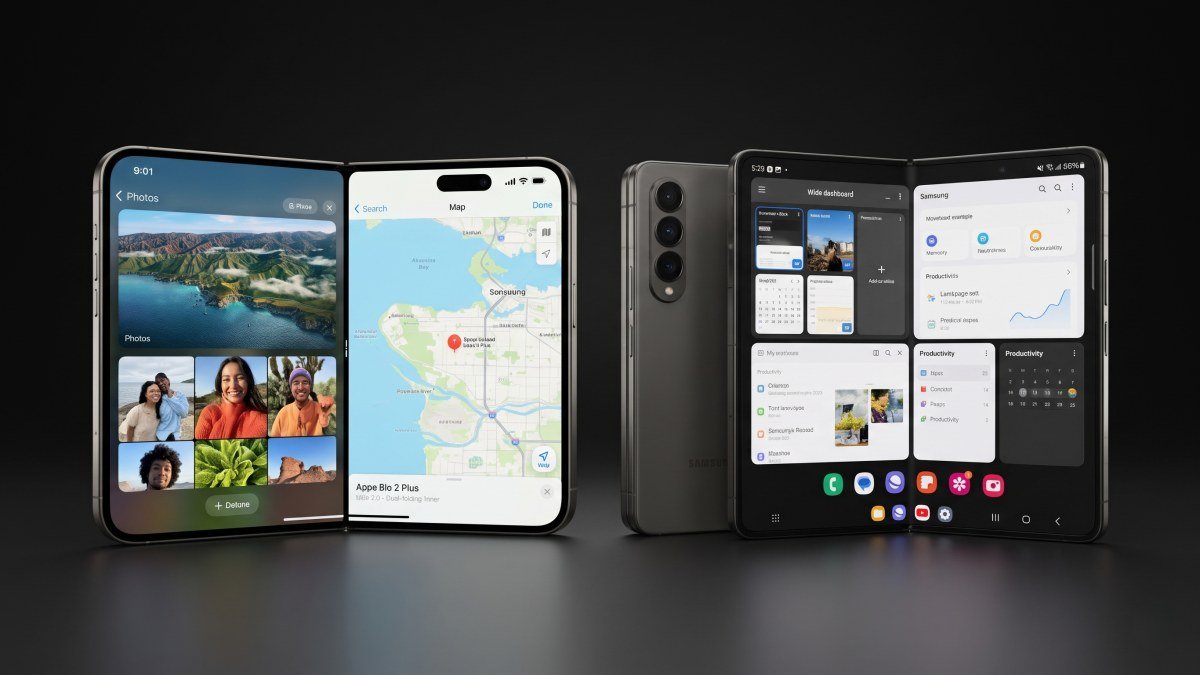
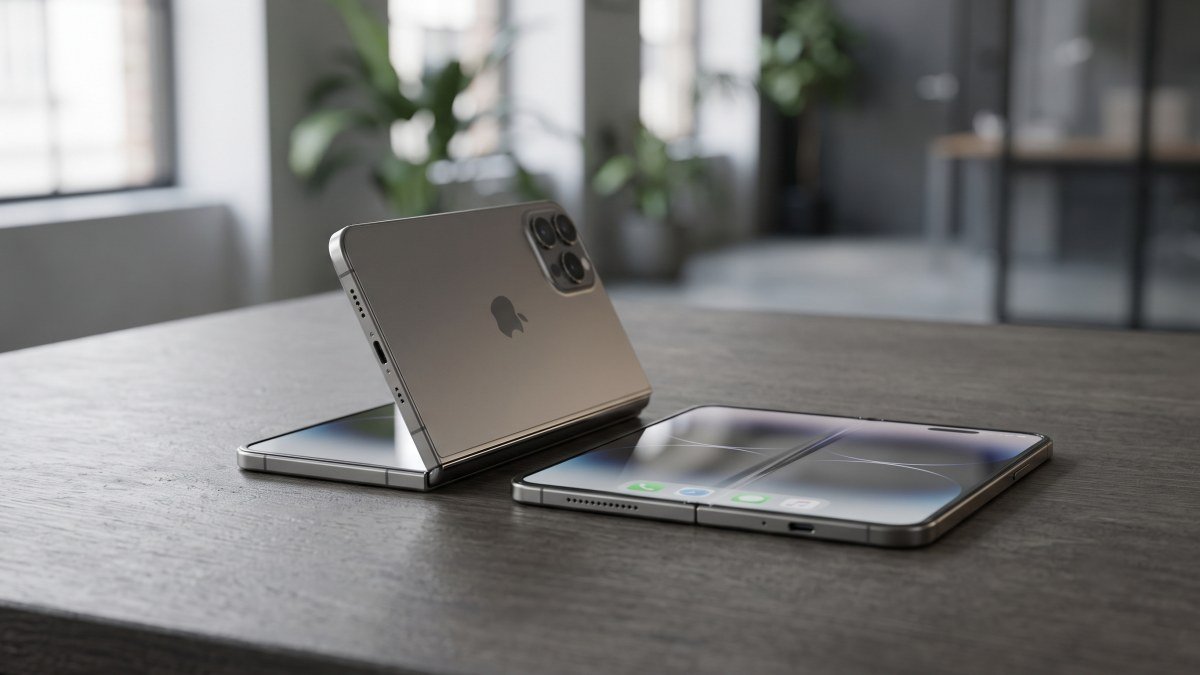
When Apple officially entered the foldable smartphone arena on October 23, 2026, the tech industry braced for a revolution. Under the fresh leadership of new CEO John Ternus, who took over from Tim Cook just a month prior, the iPhone Duo launched with unprecedented demand. However, within mere days of early adopters unboxing their $1,999 devices, the excitement violently fractured. Literally.
A rapidly growing controversy, colloquially dubbed "Crackgate," is currently dominating online tech communities. Owners are reporting that the flexible 7.6-inch inner OLED display is spontaneously cracking along the center hinge. For a demographic already weary of the early iPhone 18 Pro Max Face ID and speaker bugs, this catastrophic physical hardware failure on Apple's most expensive device is causing massive anxiety. As we head into the peak of the 2026 holiday shopping season, pre-order customers are desperately asking: Should you still buy the iPhone Duo, or is it time to cancel your order entirely?
Here is a comprehensive breakdown of the ongoing iPhone Duo cracking issues, the suspected manufacturing defects behind the broken screens, and a reality check on whether Apple’s first foldable is actually worth the $2,000 risk.
The Symptoms: How Widespread is "Crackgate"?
Initially, when the first images of broken inner screens surfaced on Reddit and X (formerly Twitter), Apple loyalists immediately dismissed them as isolated incidents of user error or severe drops. But as November rolled in, the sheer volume of photographic evidence made it impossible to ignore. Some users are even reporting that their AppleCare replacements are breaking in the exact same spot within 24 hours of receiving them.
Users experiencing the defect typically report the following identical sequence of events:
- Audible Popping: A distinct crunching or popping sound emitting from the hinge mechanism during a routine unfolding.
- Physical Resistance: Unusual stiffness or a noticeable "creaking" sensation when pressing near the top of the display.
- Visual Failure: A large, physical crack forming directly down the center crease, followed immediately by bright horizontal lines or a massive dead zone of black pixels.
While nobody outside of Cupertino knows the exact failure rate—whether it is 0.001% or 5%—the issue is prevalent enough that some consumers are outright canceling their holiday orders out of fear.
The Cause: Fundamental Design Flaw or Faulty Batch?
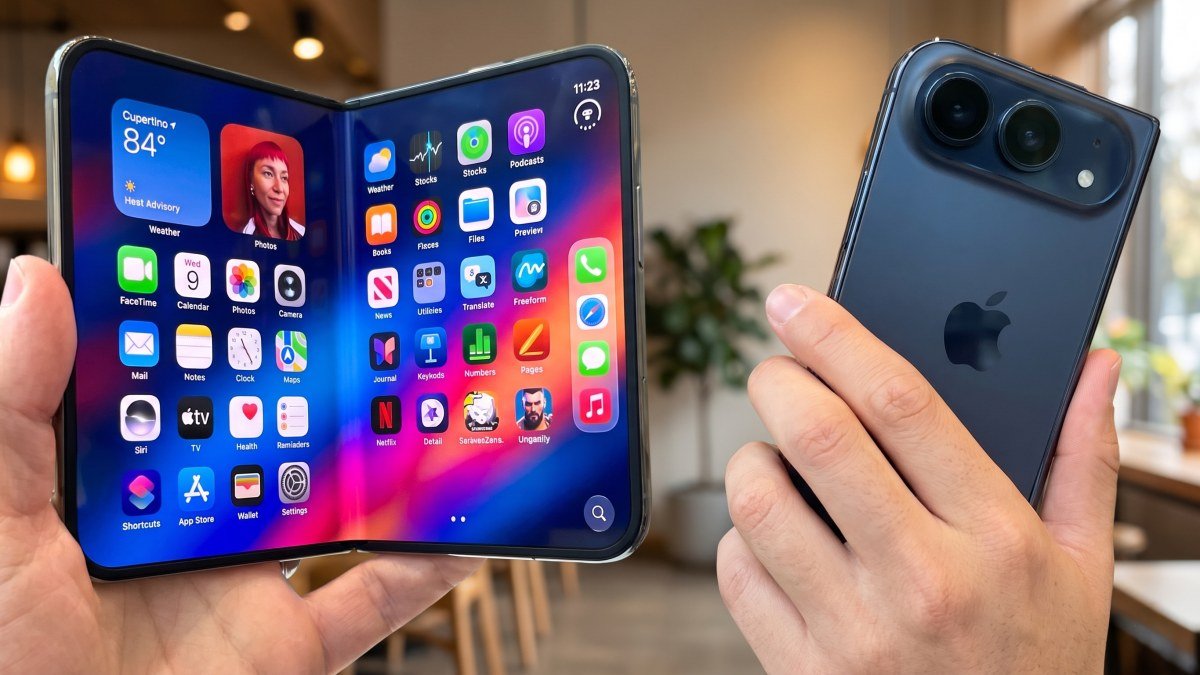
The core mystery surrounding the iPhone Duo is why this is happening. The inner display is a marvel of flexible engineering that wraps around a highly complex, precision hinge. According to early teardowns from iFixit, the hinge contains a central support structure that may not consistently clear the display during the folding motion, creating a dangerous pressure point.
However, recent supply chain leaks have offered a more specific culprit. Prominent tech insiders, including "Kang" and "Ice Universe," report that the cracking is not a fundamental design flaw, but rather a materials defect. Apple utilizes multiple suppliers for its components, and it appears one of their two hinge suppliers provided batches made from defective materials.
Korean teardown analyses of broken units seemingly confirmed this theory, revealing that a specific hinge piece experiences a material fault line, snaps under tension, and physically hits the back of the OLED screen from the inside out. While the implicated component supplier recently threatened legal action against these claims, reports suggest Apple is already using device serial numbers to track and isolate the problematic batches.
Apple’s Response and the Threat of Repair Costs
Apple has officially acknowledged the situation, confirming that an inner-display issue is affecting a "small number" of iPhone Duo units. The company has directed affected owners to contact AppleCare for a replacement and claims that overall consumer response to the device has otherwise been incredibly positive.
However, Apple has notably stopped short of issuing a general recall or announcing a formalized hardware repair program. This lack of a sweeping safety net is terrifying for buyers. The iPhone Duo starts at $1,999 in the US. Because foldable screens are vastly more difficult to repair than standard glass, iFixit gave the device a provisional repairability score of just 5/10.
If your inner screen cracks outside of the standard warranty period, or if an Apple store employee incorrectly deems the crack "user damage" because you lack AppleCare+, the out-of-pocket repair cost is financially devastating. Until Apple implements a "no-questions-asked" extended warranty policy specifically for the hinge, early adopters are carrying a massive amount of financial liability in their pockets. Consequently, the secondary resale market for the iPhone Duo has already taken a severe hit, as nobody wants to buy a used foldable that might spontaneously self-destruct.
Can Software or Cases Prevent the Crack?
When software bugs plague a device, users can simply wait for an iOS patch. Unfortunately, "Crackgate" is an entirely physical, mechanical failure. No amount of software optimization will prevent a defective hinge from snapping.
Similarly, investing in expensive, rugged third-party cases will not save you. While a heavy-duty case protects the exterior glass from a concrete drop, it does absolutely nothing to reinforce the internal structural integrity of the folding mechanism. If you have a defective unit, it will break whether it is wrapped in an OtterBox or sitting naked on your desk.
The Rivalry: How Does the Galaxy Z Fold 8 Compare?
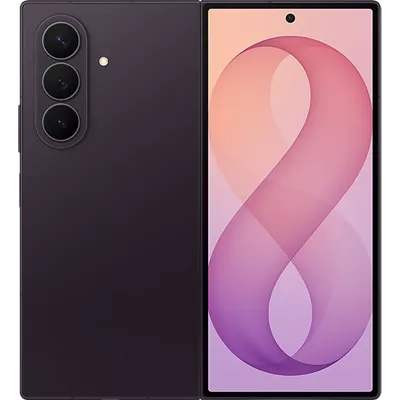
The timing of Apple's manufacturing crisis could not be worse, as it directly highlights the maturity of their biggest rival. Samsung experienced similar catastrophic hinge failures back in 2019 with the original Galaxy Fold. However, fast forward to 2026, and Samsung is currently shipping the highly refined Galaxy Z Fold 8.
Samsung’s modern hinge mechanism is battle-tested, dust-resistant, and incredibly robust. If you are comparing the two devices today, the Galaxy Z Fold 8 offers a vastly superior track record for long-term durability. Furthermore, as we highlighted in our coverage of the 2027 foldable rumors, Samsung is already preparing the Galaxy Z Fold 9 with a near-creaseless display, leaving Apple to play an aggressive game of catch-up.
| Feature | Apple iPhone Duo (Late 2026) | Samsung Galaxy Z Fold 8 |
|---|---|---|
| Hinge Reliability | Currently under scrutiny (Crackgate) | Highly durable, 8th-generation design |
| Inner Display | 7.6-inch OLED (High reported failure rate) | 7.6-inch AMOLED 2X (Proven stability) |
| Base US Price | $1,999.00 | $1,899.99 |
| Biometrics | Touch ID Only (No Face ID) | Side Fingerprint & 2D Face Unlock |
| Availability | Severely backordered (Jan 2027) | In-stock at all major retailers |
Swipe sideways to see all table columns →
- Apple iPhone Duo (Late 2026)
- Currently under scrutiny (Crackgate)
- Samsung Galaxy Z Fold 8
- Highly durable, 8th-generation design
- Apple iPhone Duo (Late 2026)
- 7.6-inch OLED (High reported failure rate)
- Samsung Galaxy Z Fold 8
- 7.6-inch AMOLED 2X (Proven stability)
- Apple iPhone Duo (Late 2026)
- $1,999.00
- Samsung Galaxy Z Fold 8
- $1,899.99
- Apple iPhone Duo (Late 2026)
- Touch ID Only (No Face ID)
- Samsung Galaxy Z Fold 8
- Side Fingerprint & 2D Face Unlock
- Apple iPhone Duo (Late 2026)
- Severely backordered (Jan 2027)
- Samsung Galaxy Z Fold 8
- In-stock at all major retailers
The Final Recommendation for Late 2026 Buyers
The iPhone Duo is suffering from classic first-generation growing pains. While Apple's ecosystem is phenomenal and the A20 Pro chip delivers desktop-tier performance, the physical reality of the hardware cannot be ignored. A $2,000 device should not inspire daily terror every time you open it.
Because the current batch is entirely sold out and new shipments are delayed until January 2027, the market has effectively forced a pause on new acquisitions. Our definitive advice for US buyers right now is to cancel your backorders and wait.
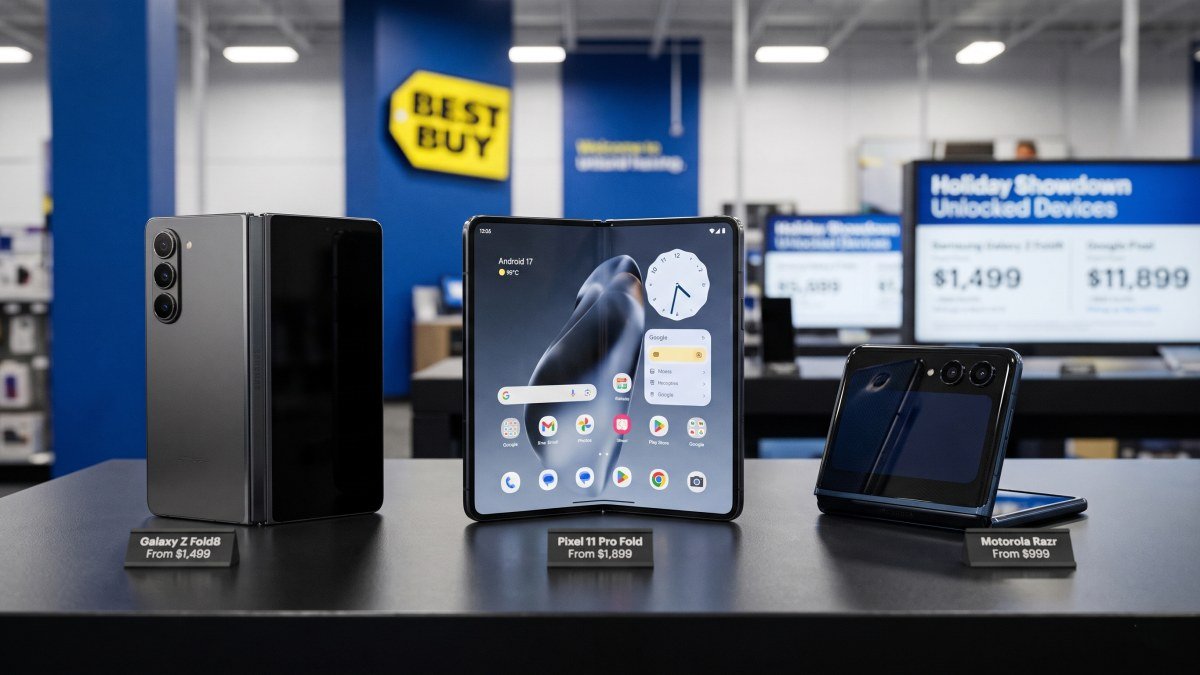
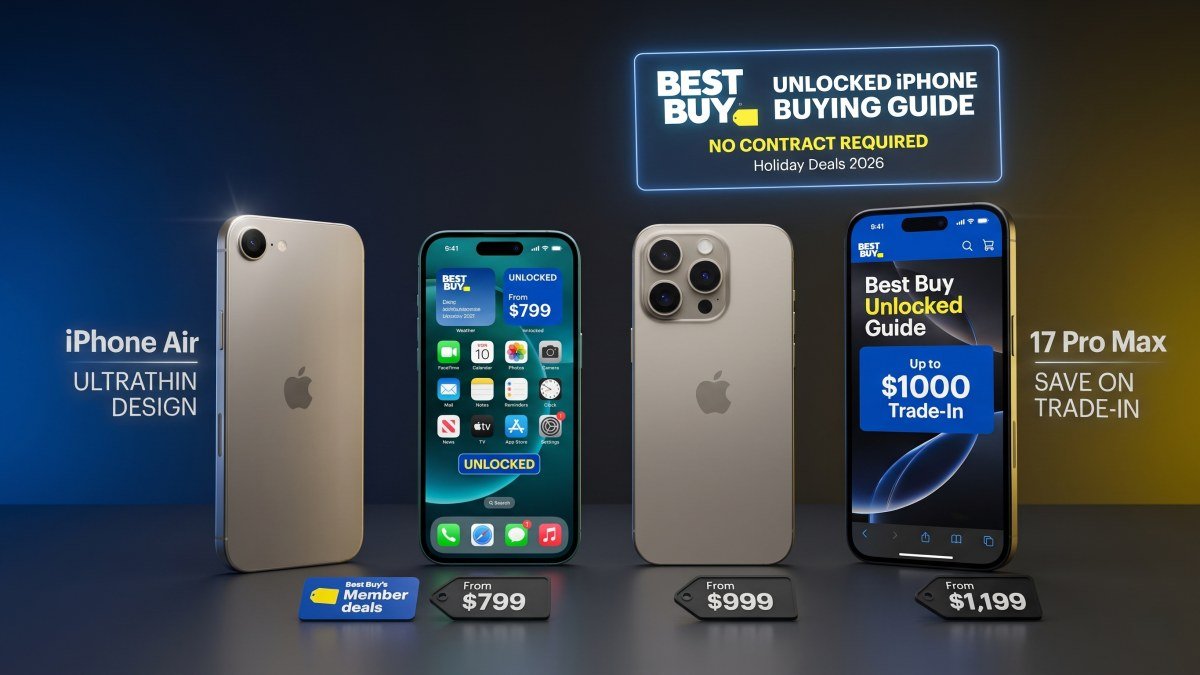
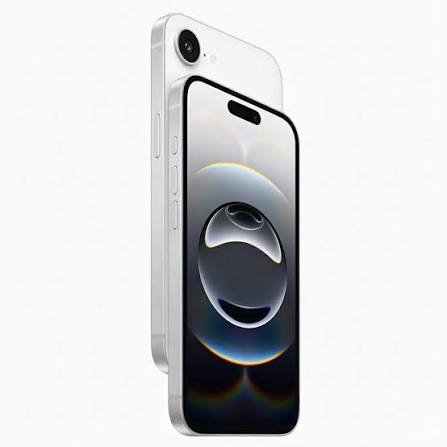
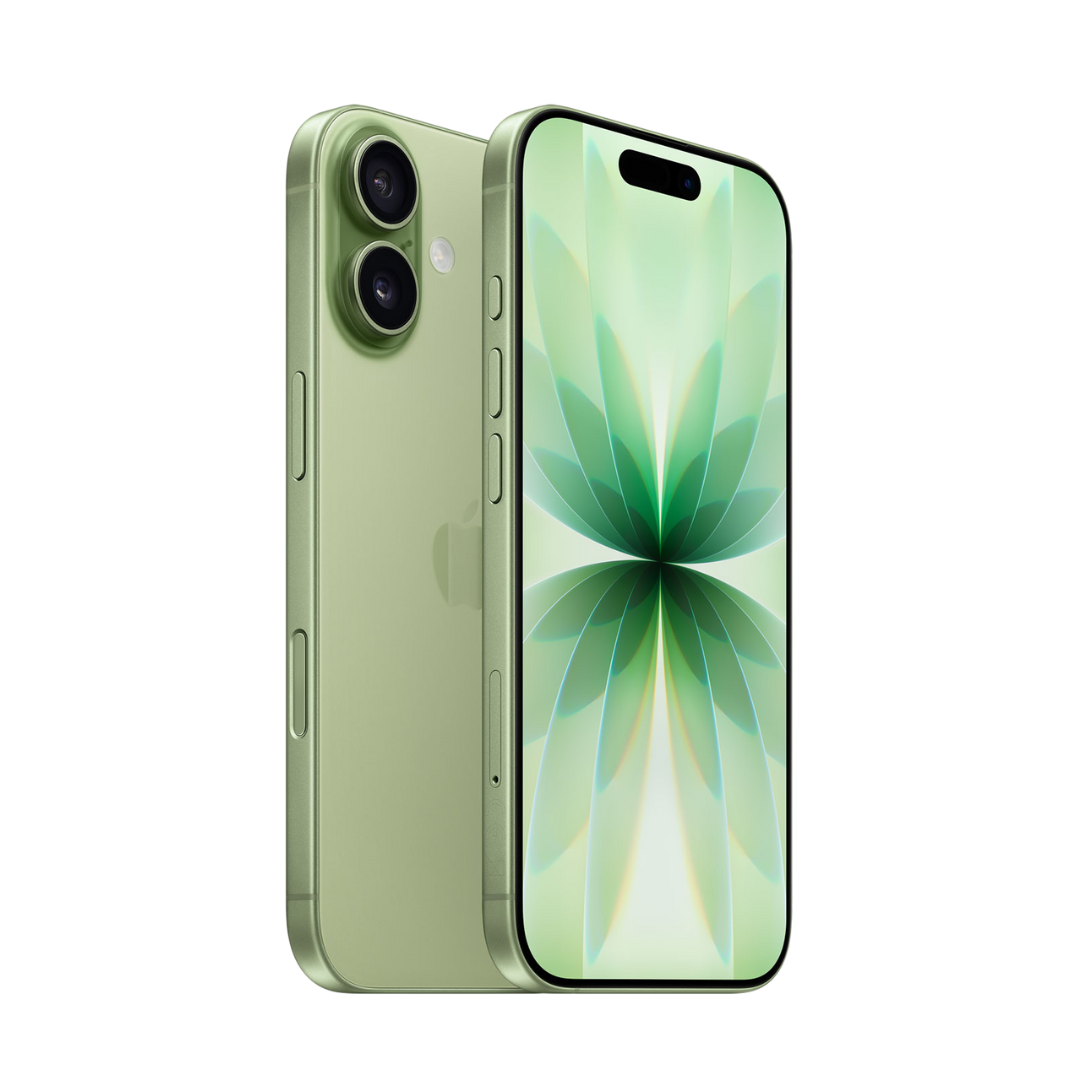
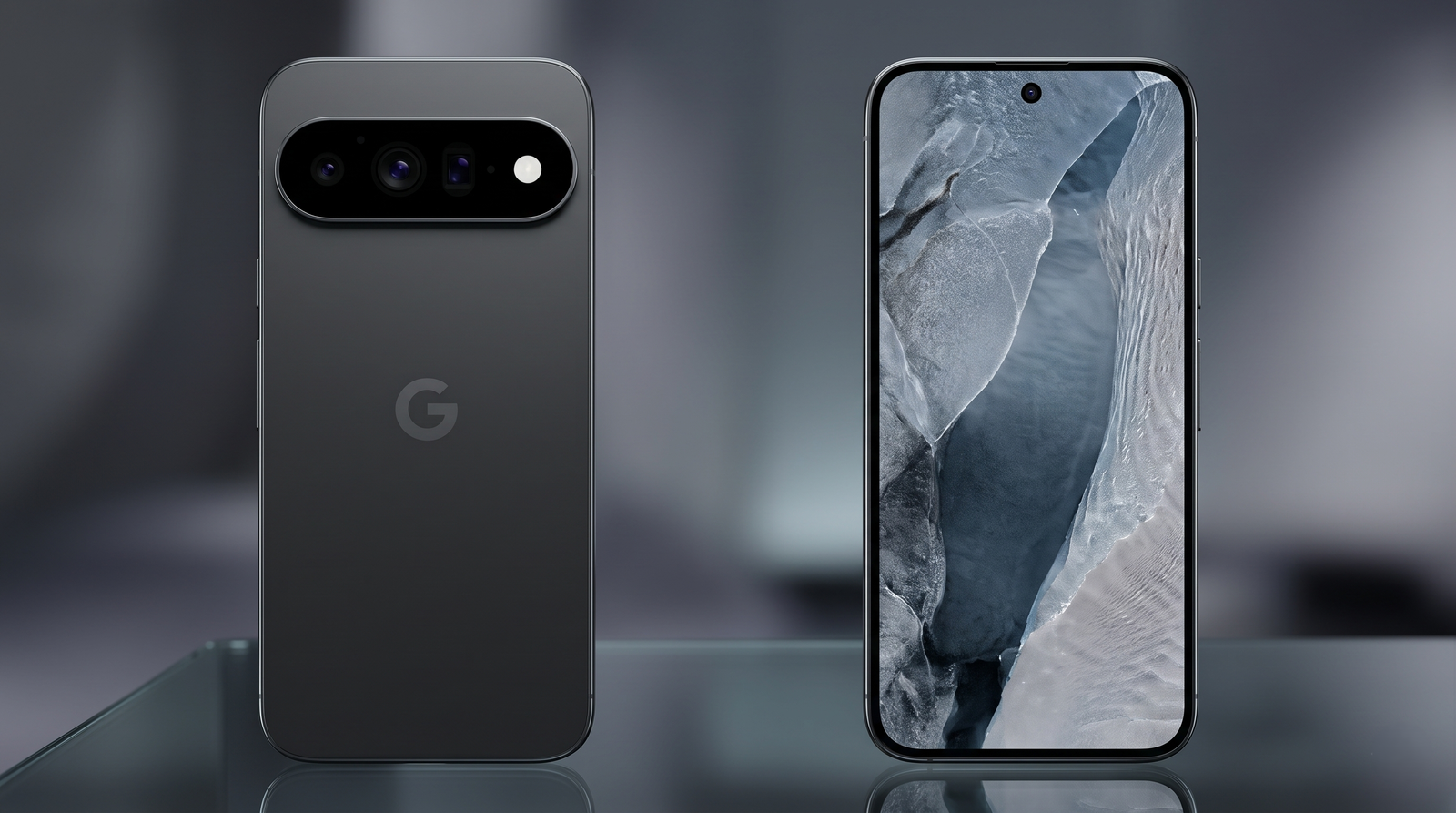
If you absolutely must have an iOS device today, pivot your budget toward the ultra-reliable iPhone 17 Pro Max or the new iPhone Air. If your heart is set on the foldable form factor and you are willing to switch operating systems, the Galaxy Z Fold 8 and the Google Pixel 11 Pro Fold are both vastly safer financial investments this holiday season.
Apple will undoubtedly fix this supply chain material defect in subsequent manufacturing runs. They are already actively developing a larger, wider "iPhone Duo 2 Plus" for late 2027. By holding your cash and waiting out this current storm, you avoid the headache of the AppleCare replacement lottery and ensure your entrance into the foldable iOS ecosystem is a flawless, long-lasting experience.